 Human Skills
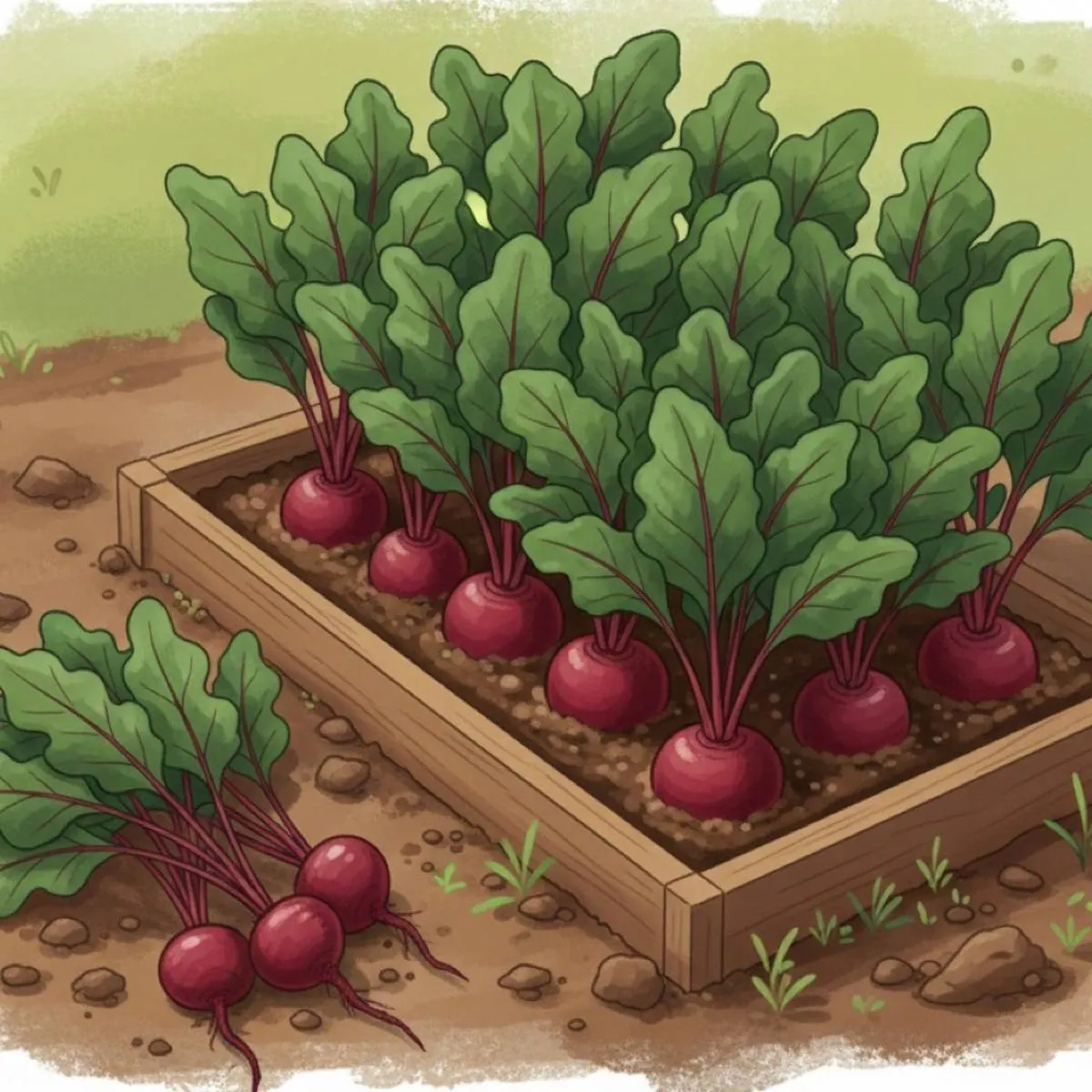
Beetroot
Two crops in one, since the leaves are as good as chard and the roots store for months.
- Soak the seed in water for an hour before sowing to soften the corky coat.
- Sow 2 cm deep, a cluster every 10 cm, in rows 30 cm apart.
- Remember each beetroot seed is a cluster of several seeds, so expect a tuft of seedlings.
- Thin each tuft to the single strongest seedling when they are 3 cm tall, snipping rather than pulling.
- Keep the soil evenly damp from the day you sow.
- Hoe or hand weed between rows for the first six weeks.
- Start pulling alternate roots at golf ball size and let the rest grow on to tennis ball size.
- Lift the whole row before the roots get bigger than a fist, or they turn woody.
Soil
Light, fertile, stone-free soil at pH 6.5 to 7.5. It dislikes acid soil more than most vegetables.
Sun
Full sun, though it copes with four or five hours better than carrots do.
Water
Even moisture, about 15 litres per square metre per week. Beetroot that dries out and is then flooded goes woody and rings inside.
Spacing
Thin to 10 cm apart, rows 30 cm apart
Depth
2 cm deep
Care
['Water evenly rather than heavily. Consistency matters more than volume.', 'Feed once mid-season with a balanced liquid feed if the leaves look pale or small.', 'Pick a few young leaves from each plant to use as greens, but never more than a third.', 'Add lime in autumn if your soil tests below pH 6.5.', 'Cover early sowings with fleece, because a cold spell on young plants causes bolting.']
Harvesting
Twist and pull by the leaf bases on damp soil, or ease up with a fork. Best between golf ball and tennis ball size. Twist the leaves off 3 cm above the crown instead of cutting, because a cut root bleeds colour and flavour when cooked.
Storing
With tops twisted off, beetroot keeps three to four weeks in the fridge and four to six months layered in damp sand in a box at 0 to 5 C. It also pickles superbly, which is the traditional way to use a glut, and cooked beetroot freezes well diced.
Grow it next to
Good with onions, garlic, lettuce, brassicas and bush beans. Keep away from climbing beans and from sweetcorn, which shades it out.
Problems
[{'cause': 'Beet leaf miner larvae tunnelling inside the leaf', 'fix': 'Squash the larvae inside the blister or pick off affected leaves. The roots are unaffected, so the crop continues. Fleece early sowings.', 'symptom': 'Pale brown blotches and blisters between the leaf surfaces'}, {'cause': 'Bolting, usually from cold after sowing or from a dry check', 'fix': 'Do not sow into cold soil, use bolt-resistant varieties for early sowings, and keep moisture even.', 'symptom': 'Roots stay small and the plant runs straight to a flower stem'}, {'cause': 'Left too long, or irregular watering', 'fix': 'Harvest before the roots exceed about 8 cm across, and water consistently rather than in bursts.', 'symptom': 'Tough woody roots with pale rings inside'}, {'cause': 'Boron deficiency, which also causes brown corky patches inside the root', 'fix': 'Do not over-lime, add compost, and if your soil is known to be boron poor use a seaweed feed which supplies trace elements.', 'symptom': 'Yellowing leaves with dark veins and stunted growth on alkaline soil'}]
Saving your own seed
Beetroot is biennial and must be overwintered to flower in its second year. It is wind pollinated and crosses with chard, sugar beet and other beetroot within a kilometre, so it is one of the harder crops to save true. Save from at least ten plants.
Containers
Very good in containers 25 cm deep. Sow in a grid 10 cm apart rather than rows, and pull as baby beets for the best use of the space.
🛒 Gear for this skill
As an Amazon Associate I earn from qualifying purchases. It costs you nothing extra and keeps this site free.