Questions people ask
What are the most important human survival skills?
The most important survival skills are first aid, finding shelter, getting safe drinking water, making fire and finding food, roughly in that order. A common rule of thumb, the rule of threes, says a person can last about 3 minutes without air, 3 hours without shelter in harsh weather, 3 days without water and 3 weeks without food. These are rough guides, not exact limits, but they show what to prioritise. Human Skills teaches each of these in beginner lessons.
What should I learn first to survive an emergency?
Learn basic first aid and how to call for help first, because injuries and delays in getting help are the most immediate threats in an emergency. Next, learn to stay warm and dry with simple shelter, then how to make water safe to drink. These core survival skills matter more in the first hours than finding food.
How do you make a fire without a lighter?
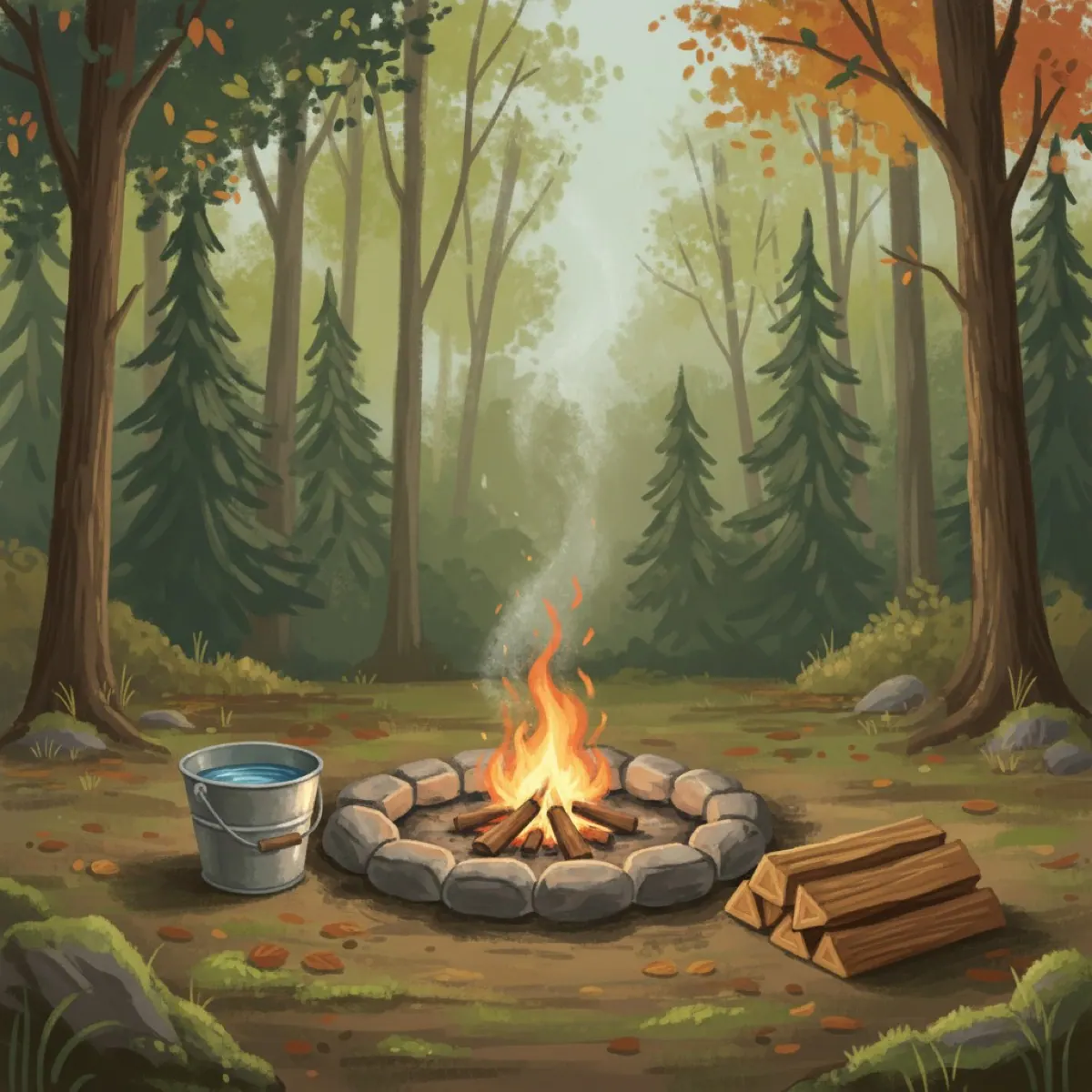
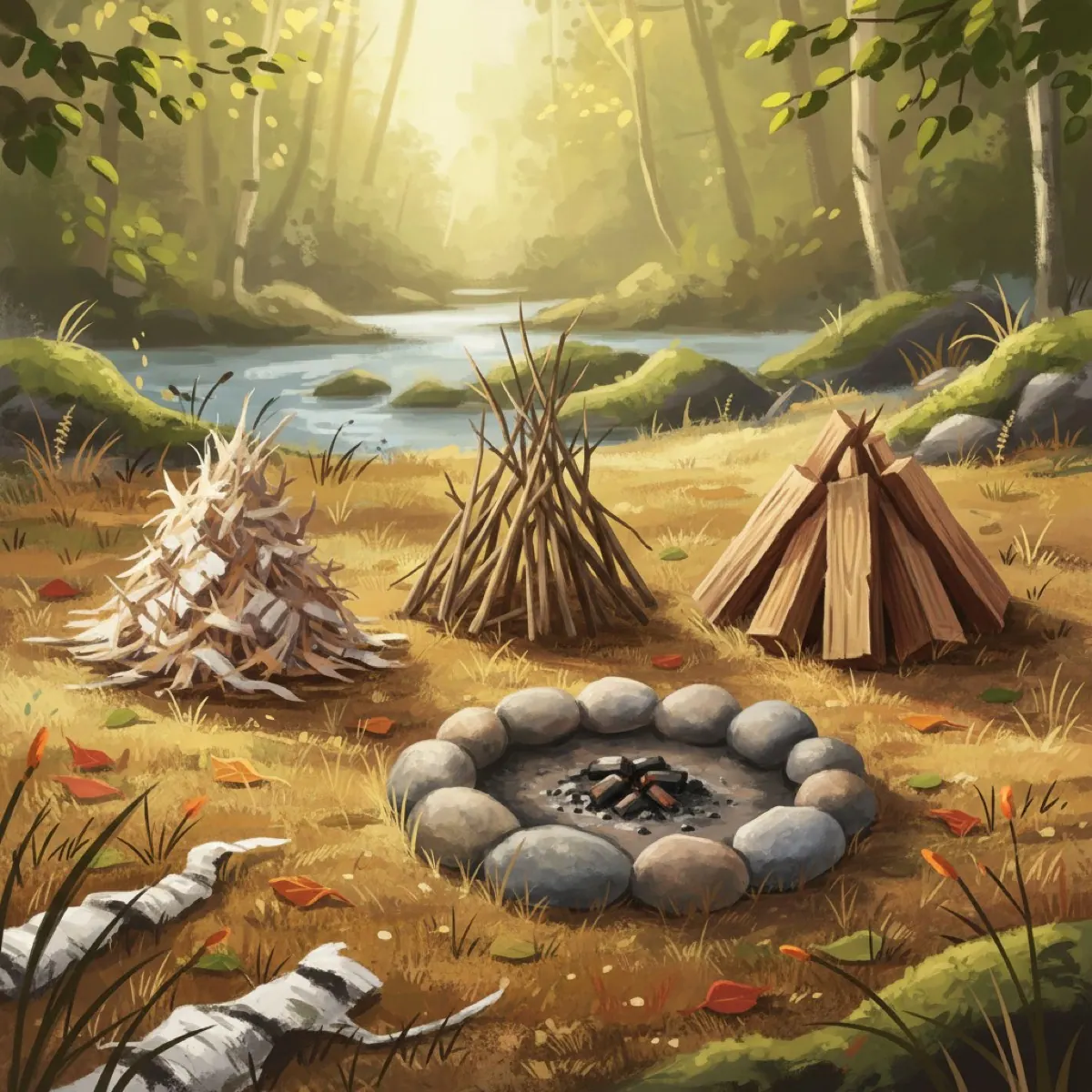
The most reliable way to make a fire without a lighter is a ferro rod, which throws hot sparks onto dry tinder such as birch bark, dry grass or cotton. Without any tools, a bow drill uses friction from a spindle spun in a wooden board to create a glowing ember, but it takes practice. Whatever the method, gather dry tinder, small kindling and larger fuel before you start. Fire making is one of the core survival skills worth practising before you need it.
How can you get safe drinking water in an emergency?
The safest way to make water drinkable in an emergency is to bring it to a rolling boil for at least 1 minute, or 3 minutes above about 2,000 metres. If you cannot boil it, use a proper water filter or purification tablets and follow the instructions on the pack. Filter cloudy water through cloth first, and collect rainwater in clean containers when you can. Treating water is a basic survival skill because untreated water can carry bacteria and parasites.
How do you know if meat or fish is still safe to eat?
Meat or fish is likely unsafe if it smells sour or rotten, feels slimy or sticky, or has changed colour, such as grey or green meat or dull, sunken eyes in fish. Some harmful bacteria cause no visible signs, so food left unrefrigerated above about 5 °C for more than 2 hours should be thrown away. When in doubt, throw it out. Judging food safety is a practical survival skill that prevents serious food poisoning.
Is Human Skills free?
Yes, Human Skills is a free website for learning human survival skills, with no account or payment needed to read the lessons. It includes 152 beginner lessons, 66 wild plant guides with deadly lookalikes and 22 games in English, Portuguese, Spanish, French, German and Russian. It is made by PG App Studios in the Algarve, Portugal.
Is the information on Human Skills medical advice?
No, the information on Human Skills is educational and is not medical advice. The first aid and survival skills lessons explain general principles for situations where help is far away, but they do not replace training, a doctor or emergency services. In an emergency, call your local emergency number, such as 112 in Europe or 911 in the US and Canada, as soon as you can.
 Human Skills