Human Skills
Cooking Nettles and Wild Greens
Soup, pie and pan greens from plants you know
5 minBeginnerUpdated
- Pick and cook stinging nettles safely
- Turn a few known wild greens into soup and pan greens
- Know which greens need cooking and which to eat in moderation
Only the plants you know
This lesson only covers greens that are easy to identify: stinging nettle, and others in the Plant Guide marked unmistakable or straightforward. Some deadly plants, like hemlock and foxglove, grow in the same places and can look similar when young. If you have not confirmed every identification feature in the Plant Guide, do not pick it. Never pick greens beside busy roads, sprayed fields or where dogs walk.
Stinging nettles
Nettles are one of the richest wild foods: iron, calcium, vitamin C and protein. Pick only the top four to six young leaves of each plant, in spring before it flowers, wearing gloves. Wash them, then drop them in boiling water for 1 to 2 minutes: the sting is gone completely. Drain and squeeze. Now use them exactly like spinach. Avoid old nettles after flowering: they develop gritty particles that can irritate the urinary tract.
Nettle and potato soup
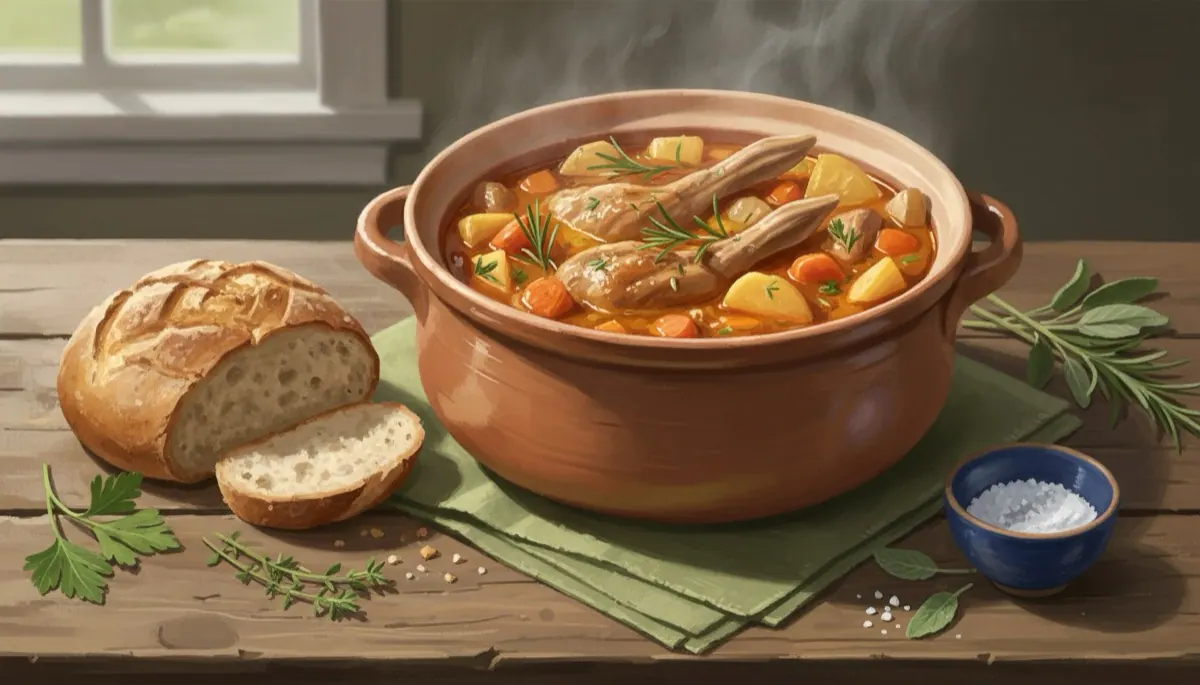
Fry an onion, add two potatoes chopped small and a litre of water with salt, and simmer 20 minutes. Add a large bowl of blanched nettles, simmer 3 minutes, then crush or blend. It is Portugal's caldo verde, made with wild greens instead of kale. Pan greens: fry blanched nettles or other known greens with garlic and oil for 3 minutes, and eat with bread or potatoes.
Moderation with some greens
Sorrel, dock and wood sorrel are sour because they are high in oxalic acid. A handful in a soup is fine; large amounts every day are not, especially for anyone with kidney stones. Cooking and throwing away the water lowers the oxalate. Variety is the rule: a little of several known greens is healthier than a lot of one.
Check yourself
A minute or two in boiling water destroys the sting completely.
Young tops are tender and nutritious. Old nettles after flowering turn gritty and can irritate the urinary tract.
Hemlock looks like wild parsley and kills. Cooking and tasting are never safety tests.
Oxalic acid in large amounts strains the kidneys. A handful is fine.
Try it for real: A spring nettle meal
- Identify stinging nettles with the Plant Guide
- Pick young tops with gloves away from roads and dogs
- Blanch them and make a nettle and potato soup
- Freeze or dry any extra for later
🛒 Gear for this skill
As an Amazon Associate I earn from qualifying purchases. It costs you nothing extra and keeps this site free.
Written and checked by the Human Skills team against the sources below. How we check our content
- Plant Guide on this site
- UK Food Standards Agency
- Royal Botanic Gardens Kew