 Human Skills
Managing Pests Without Poison
Barriers, allies and the few sprays worth using
6 minIntermediateUpdated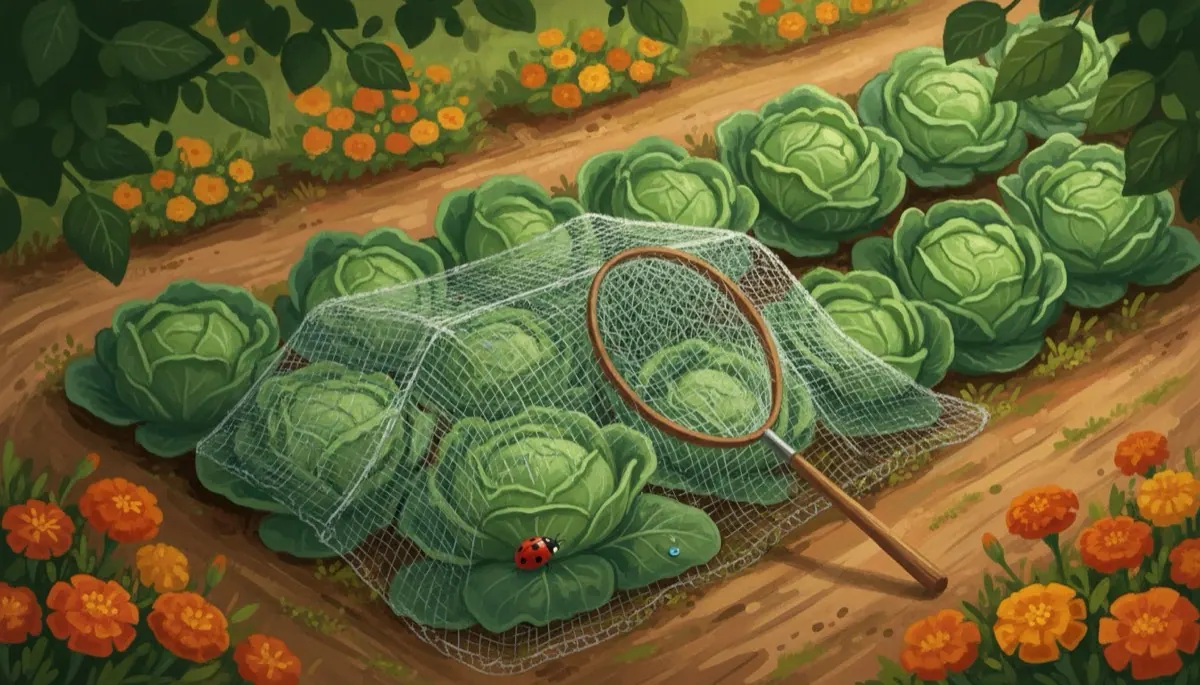
- Apply the prevention, barrier, predator, spray order of defence
- Build habitat that keeps pest predators in the garden
- Mix and use soap and neem sprays safely
The order of defence
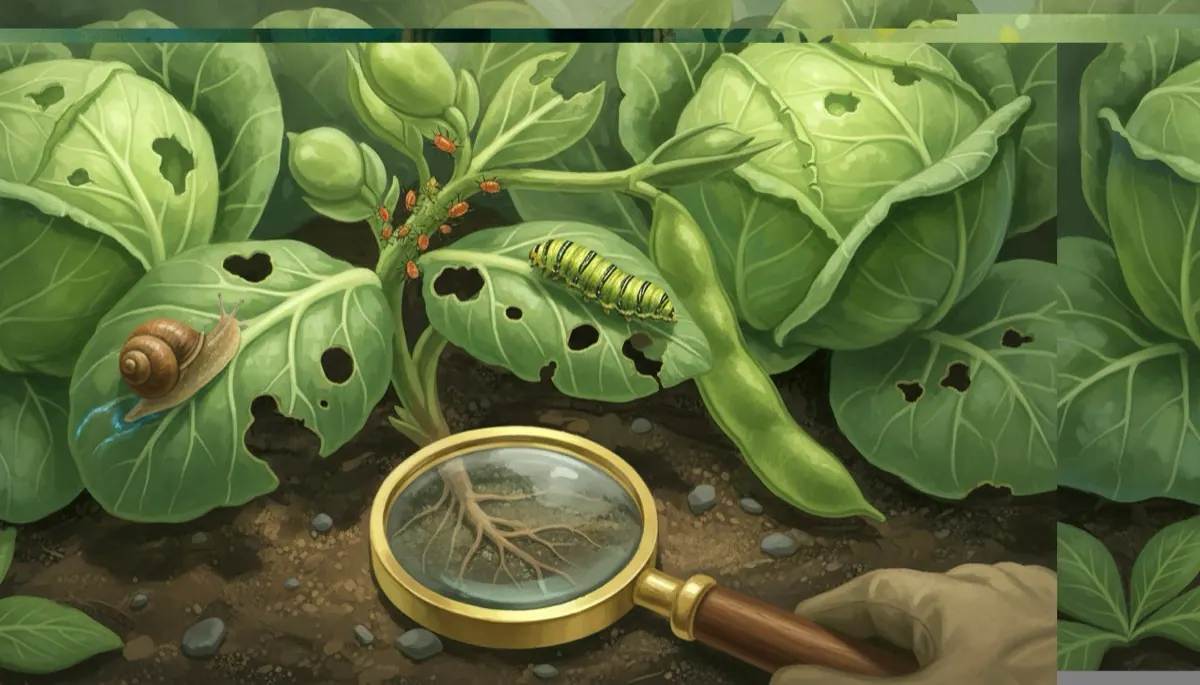
Integrated pest management is a fancy name for a simple idea: use the gentlest method that works, in order. First, prevention: healthy soil, right plant in the right place, correct spacing and watering, and resistant varieties. Stressed plants attract pests. Second, physical control: hand picking, barriers and traps. Third, biological control: encouraging or buying predators. Fourth, and last, targeted organic sprays. Broad chemical insecticides sit outside this order because they kill the predators too, and pests, which breed faster, come back stronger. Most home gardens never need step four if the first three are done well.
Barriers and traps
Fine insect mesh with 0.8 mm holes over hoops keeps out cabbage white, carrot fly, leek moth, flea beetle and most birds. Put it on at sowing, not after you see damage. Fleece does the same in cool weather. Collars of cardboard 10 cm across around brassica stems stop cabbage root fly. Copper tape on pot rims deters slugs and snails, and a rough band of crushed shell or wool pellets around seedlings slows them. Beer traps, a jar sunk to the rim with 2 cm of beer, drown slugs. Yellow sticky cards catch whitefly and thrips indoors. Netting over fruit stops birds taking the harvest.
Recruit the predators
A garden full of predators looks after itself. Grow flat open flowers with accessible nectar: fennel, dill, coriander, yarrow, alyssum, calendula, cosmos and phacelia. Hoverflies and lacewings feed on them and lay eggs among aphids. Leave a patch of long grass and a pile of logs for ground beetles and frogs. A small pond, even a sunken bucket, brings frogs that eat slugs. A hedgehog or a pair of ducks clears slugs faster than anything. Birds eat caterpillars, so hang a feeder. Accept a few aphids in spring; without food, the ladybirds leave. Never spray when flowers are open and bees are visiting.
Companion planting that works
Most companion planting claims are folklore, but a few hold up. Strong-smelling onions, garlic and leeks between carrots confuse carrot fly. Nasturtiums draw aphids and cabbage white away from brassicas as a sacrificial crop. French marigolds reduce root nematodes in soil over a season. Mixed plantings in general slow pests down compared to a big block of one crop, because the pest has to search. Basil under tomatoes is pleasant but does not repel anything measurably. Crop rotation, moving each plant family to a new bed each year, breaks the life cycle of soil-living pests and is worth more than any companion.
The sprays worth using
When needed, three organic options cover most cases. Insecticidal soap, 5 ml of pure liquid soap in 1 litre of water, kills aphids, whitefly and mites on contact; spray under leaves in the evening and repeat in 5 days. Neem oil, 5 ml plus 2 ml soap in 1 litre, disrupts feeding and breeding in soft-bodied insects and must be applied at dusk. Bacillus thuringiensis, sold as Bt, is a bacterium that kills only caterpillars that eat sprayed leaves and is harmless to everything else. Iron phosphate slug pellets are safe around pets and wildlife, unlike the old metaldehyde kind. Test any spray on one leaf first.
Check yourself
Healthy, unstressed plants in good soil resist and outgrow most pest attacks before any other step is needed.
Mesh is a barrier. Once eggs are laid under the leaves, covering the bed just protects the caterpillars.
Bt works only in the gut of caterpillars that eat treated leaves, making it highly selective.
Pests breed faster than their predators, so after a broad spray they return to a garden with no natural enemies.
Try it for real: Set up three layers of defence
- Cover one vulnerable bed with insect mesh or fleece on hoops
- Sow or plant a strip of open flowers such as calendula, alyssum or dill beside the vegetables
- Build a small log pile or sink a bucket pond in a shady corner
- Mix 1 litre of soap spray and test it on one aphid-infested leaf in the evening
- Do three consecutive night slug patrols with a torch
🛒 Gear for this skill
As an Amazon Associate I earn from qualifying purchases. It costs you nothing extra and keeps this site free.
Next lesson: Harvesting at the Right Moment →
Written and checked by the Human Skills team against the sources below. How we check our content
- FAO Integrated Pest Management
- RHS Biological Control Guide
- University of California IPM Program