Human Skills
Summer Fruiting Crops
Tomatoes, peppers, aubergines, courgettes and cucumbers
6 minIntermediateUpdated
- Start tender crops indoors at the right number of weeks
- Plant out on soil temperature, not on the calendar
- Understand why fruit stops setting in extreme heat
Start indoors, and not too early
Tomatoes, peppers, aubergines, cucumbers and courgettes are all tender, so they are started under cover. Peppers and aubergines are slowest and go in eight to ten weeks before your last frost date. Tomatoes need six to eight weeks. Cucumbers and courgettes grow so fast that three to four weeks is plenty, and older plants transplant badly. Sowing too early is a real mistake: a leggy, pot-bound plant that has sat for ten weeks on a windowsill will be overtaken by one sown a month later. Germinate at 20 to 25 degrees Celsius, then grow on cooler and in the brightest place you have.
Hardening off and planting out
Move plants outside gradually over 7 to 10 days, starting with a couple of hours in shelter and building up to a full night out. Plant out only when night temperatures stay above 10 degrees Celsius and soil at 10 cm holds 18 degrees, which is usually two to three weeks after the last frost, not on the frost date itself. Cold soil stunts peppers and aubergines for the rest of the season. Tomatoes can be planted deep, right up to the first leaves, because they root along the buried stem. The others must be planted at the same depth they grew in the pot.
Support and pinching
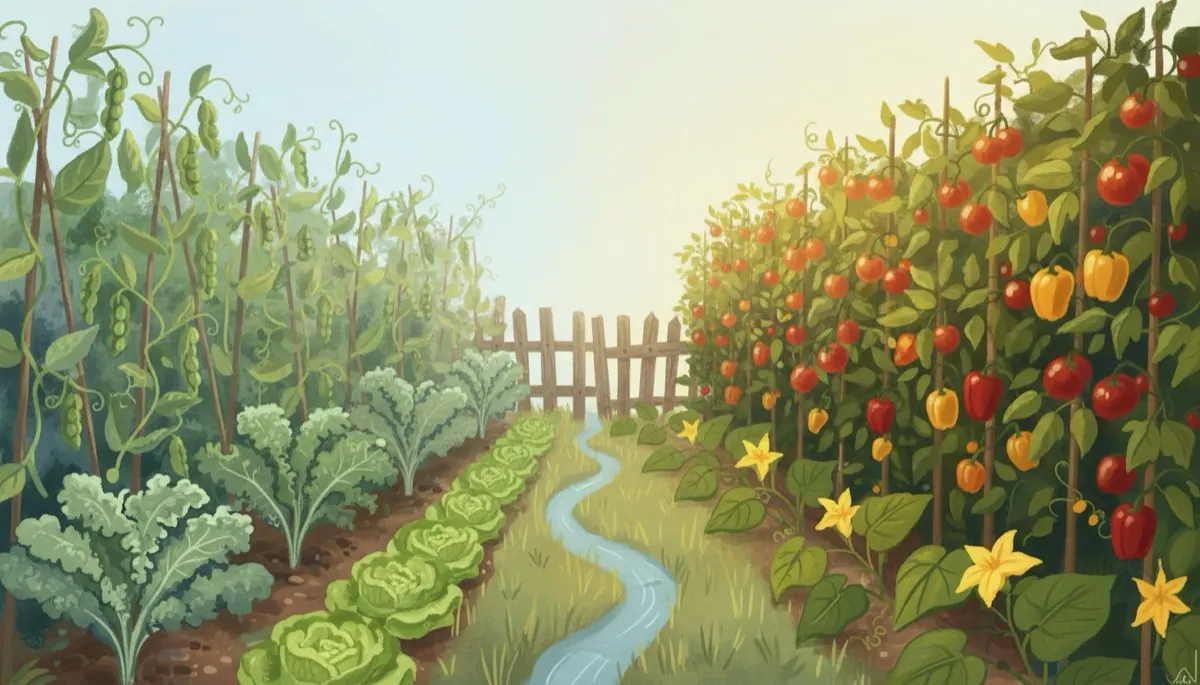
Cordon or indeterminate tomatoes grow one stem up a string or cane and need side shoots pinched out weekly from the joint between leaf and stem. Stop the plant by pinching the top two leaves above the fourth or fifth truss, or in a long season the seventh. Bush and determinate types need no pinching at all, only a low cage. Peppers and aubergines benefit from a cane and from removing the first flower so the plant builds a frame first. Cucumbers climb happily and take far less space upright. Courgettes need no support but need a full square metre each.
Why fruit stops setting in heat
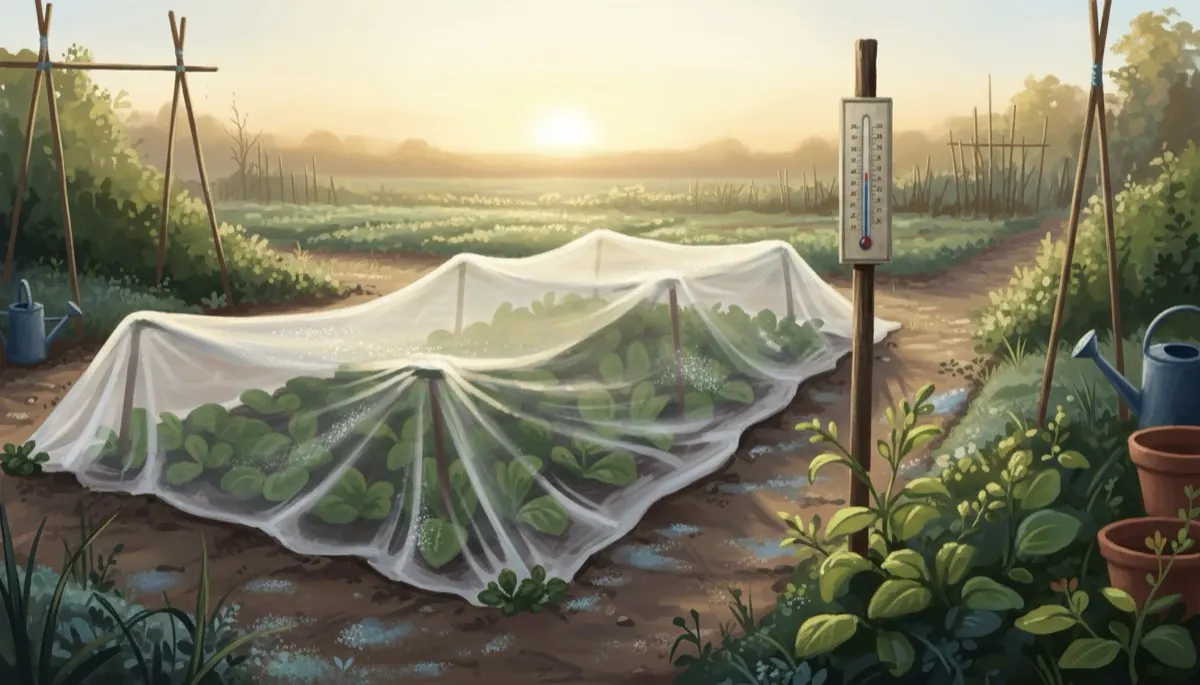
Above roughly 35 degrees Celsius by day, or above 24 degrees at night, tomato and pepper pollen becomes sterile and clumps, flowers drop and the plant sets no fruit even though it looks healthy. Nothing is wrong with your watering. The cure is to keep the plant alive and cropping until the weather breaks: 30 to 50 percent shade cloth in the hottest hours, deep mulch, watering at the roots early in the day, and never letting the plant wilt hard. Uneven watering in heat also causes blossom end rot, a sunken black patch that is a calcium transport failure, not a disease.
Keeping the crop coming
Pick often. Courgettes cut at 15 to 20 cm keep the plant producing for months, while one marrow left on the plant tells it the job is done and cropping slows. Cucumbers picked young stay sweet and keep the vine going. Tomatoes ripen best on the plant but can be picked at the first colour break and finished indoors at 18 to 21 degrees, never in the fridge, which kills the flavour. As autumn arrives, remove the lower leaves of tomatoes for airflow, stop feeding, and pull whole plants to hang under cover so the last fruit ripens.
Check yourself
They germinate and grow slowly, so they need the longest indoor head start of the summer crops.
Cold soil stunts tender crops for weeks, so wait for 18 degrees at 10 cm and nights above 10 degrees.
Extreme heat makes pollen unviable, so flowers fall. Shade and steady water keep the plant going until it cools.
Bush and determinate types make their crop on many stems and only need a low cage for support.
Try it for real: Run one summer crop properly
- Count back from your last frost and sow tomatoes six to eight weeks ahead
- Grow them in the brightest spot and turn the pots daily
- Harden off over seven to ten days before planting out
- Wait for 18 degree soil, then plant tomatoes deep and mulch
- Pinch side shoots weekly and pick fruit at first colour break
🛒 Gear for this skill
As an Amazon Associate I earn from qualifying purchases. It costs you nothing extra and keeps this site free.
Next lesson: A Twelve Month Plan →
Written and checked by the Human Skills team against the sources below. How we check our content
- RHS Growing Tomatoes
- University of California Agriculture and Natural Resources Vegetable Guides
- FAO Good Agricultural Practices for Greenhouse Vegetables