Human Skills
Basic Home Repairs
Taps, screws, wall anchors, and knowing when to call a pro
6 minIntermediateUpdated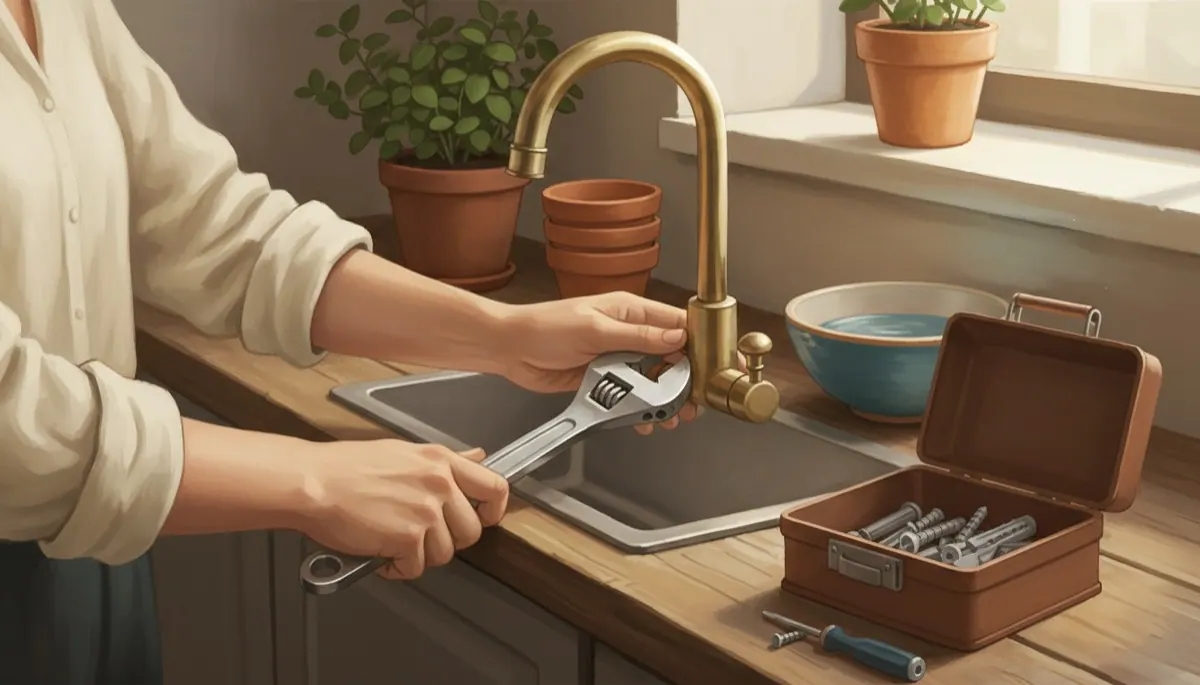
- Fix a dripping tap by replacing a washer or cartridge
- Rescue a loose screw and hang things on any wall
- Recognise the jobs that need a licensed professional or a permit
A dripping tap
A drip wastes up to 20 litres a day and is usually a worn rubber washer or ceramic cartridge. First, turn off the water at the isolation valve under the sink or the main stopcock, then open the tap to drain it. Put the plug in so small parts cannot fall down the drain. Remove the handle (often a small screw hidden under a cap), unscrew the headgear with an adjustable spanner, and lift out the washer or cartridge. Take it to the hardware shop and buy the identical part; sizes vary. Fit the new one, reassemble, turn the water on slowly and check for leaks. Total time: 20 minutes, cost: a few euros.
A loose screw
A screw that spins without tightening has stripped its hole. Three fixes, in order of effort. Swap it for a screw one size longer or thicker so it bites fresh wood. Or pull the screw, push a couple of wooden matchsticks or a cocktail stick with a dab of wood glue into the hole, snap them flush, and re-drive the screw into the new material. Or, for a large hole, drill it out, glue in a wooden dowel, let it dry overnight, drill a fresh pilot hole and screw into that. For hinges on a sagging door, the dowel method is the permanent answer.
Wall anchors: match the plug to the wall
Screws alone do not hold in masonry or plasterboard; you need the right anchor. Tap the wall: a dull thud is solid brick or block, a hollow sound is plasterboard. For brick or concrete, drill with a masonry bit the exact diameter of the plastic plug (usually 6 or 8 mm), push in the plug and drive the screw. For plasterboard, use self-drilling metal or nylon plasterboard anchors for light loads under 10 kg, and spring toggles or heavy-duty anchors for shelves and TVs. Heavy items should go into the timber studs behind the board; find them with a stud finder or by tapping for the solid sound, usually every 40 to 60 cm.
Small jobs that make a big difference
Beyond taps and screws, a beginner can safely handle: re-sealing a bath or shower with silicone (cut out the old bead, clean, dry, apply, smooth with a soapy finger); unblocking a sink with a plunger or by unscrewing the U-bend over a bucket; replacing a toilet flush valve or float; filling small holes with filler and sanding; oiling squeaky hinges; adjusting a door that sticks by tightening hinges or planing an edge; and bleeding a radiator with a key until water, not air, comes out. Watch a demonstration first, gather every part before you start, and photograph each step of disassembly so you can put it back.
When to call a professional
Some jobs are not DIY, either because of the danger or because the law requires a licensed person. Electrical work beyond changing a bulb or a plug fuse, meaning anything inside a socket, switch, consumer unit or fixed wiring, needs a certified electrician; in Portugal and most of the EU, it must be done by a credentialed professional and may need certification. Anything touching gas (hobs, boilers, bottles, pipes) is licensed work, always. Structural changes, removing walls, roof work and anything affecting the building’s exterior usually need a permit from the câmara municipal. Also call for: leaks you cannot isolate, sewage backing up, water near electrics, or a smell of gas. If in doubt, ask; a consultation is cheaper than a mistake.
Check yourself
Isolate the water supply and drain the tap first. Everything else follows safely from there.
Packing the stripped hole with glued wood gives the screw new material to grip. A dowel is the strongest option.
Plasterboard anchors handle light loads. Heavy items must be screwed into the studs or use heavy-duty toggles rated for the weight.
Any gas work is licensed for safety. Electrical wiring, structural changes and roof work also need professionals and often permits.
Try it for real: Fix three small things
- Walk through your home and list every drip, loose screw, squeak or wobble
- Locate your main water stopcock and check it turns
- Fix one loose screw with the matchstick method and hang one item with the correct anchor
- Mark on your list which items are DIY and which need a professional
🛒 Gear for this skill
As an Amazon Associate I earn from qualifying purchases. It costs you nothing extra and keeps this site free.
Next lesson: Clothing and Textile Repair →
Written and checked by the Human Skills team against the sources below. How we check our content
- HSE (UK Health and Safety Executive) DIY guidance
- Electrical Safety First
- Câmara Municipal licensing guidance (Portugal)