 Human Skills
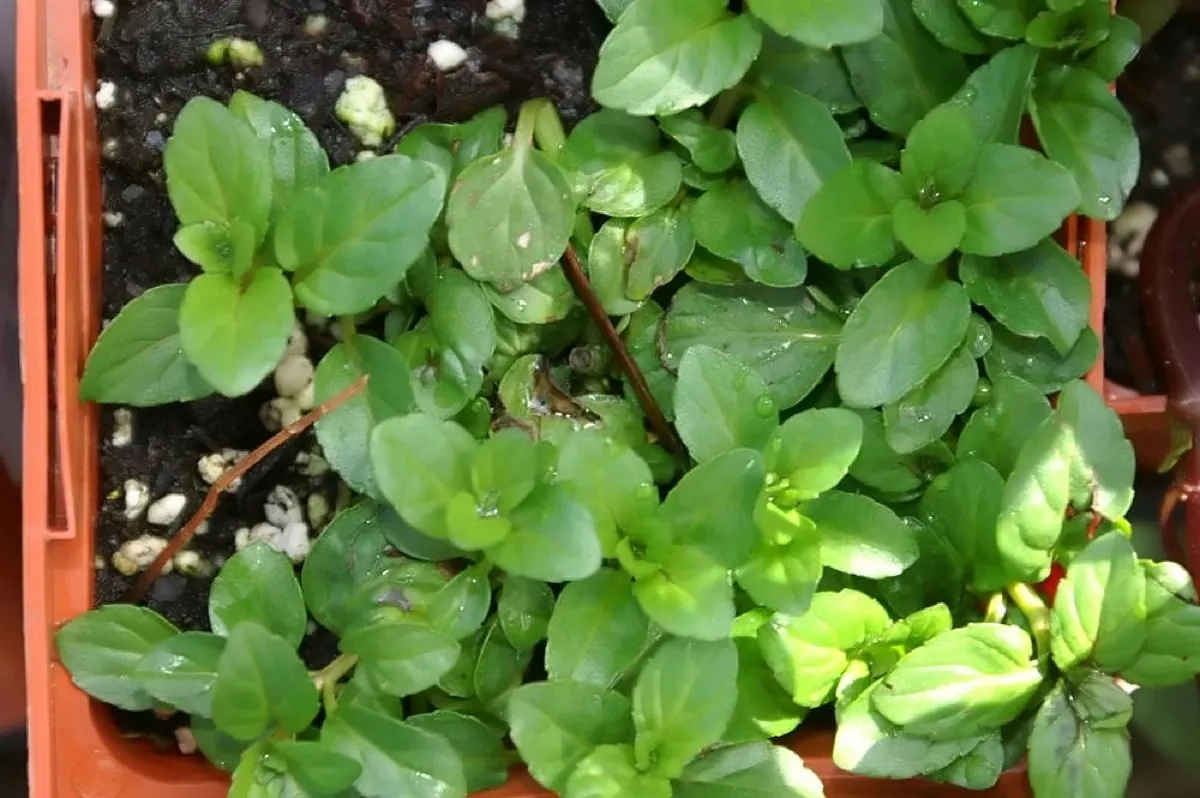
Photo: Photo by David J. Stang, CC BY-SA 4.0, Wikimedia Commons

Peppermint
Mentha x piperita
EdibleThe sharpest and coldest of the mints, a sterile hybrid that spreads by runners and is grown, not really foraged.
Confused with
Danger: Not dangerous. All are edible mints, but they are milder or coarser and are not interchangeable with peppermint in traditional use.
How to tell: Smell. Spearmint smells sweet and chewing-gum-like with no cold bite; water mint smells muddy and rank; peppermint smells of cold menthol. Peppermint also usually shows purple stems and leaf veins.
Danger: Genuinely dangerous and worth knowing. Its essential oil causes severe liver damage and has killed people, and it has a long, grim history of misuse in pregnancy. Never use pennyroyal oil at all.
How to tell: Pennyroyal is a low sprawling plant, usually under 30 cm, with small blunt oval leaves under 2 cm and flowers in tight ball-like whorls spaced along the stem rather than in one terminal spike. Its smell is a harsh, acrid mint. Peppermint is upright with long pointed leaves and a single blunt terminal spike.
Leaves
Opposite pairs set at right angles to each other, lance-shaped to oval, 4 to 9 cm long, sharply and evenly toothed, dark green and often flushed purple along the veins and stalk, nearly hairless, on a short but clear leaf stalk.
Flowers
Small pale purple to lilac flowers, 3 to 5 mm, packed into a blunt cylindrical spike 3 to 8 cm long at the tip of the stem. Peppermint is a sterile hybrid and sets almost no seed, so the spikes often look untidy and never produce a real crop of seed.
Stem
Square, and clearly so when rolled between the fingers. Usually purple-tinged, smooth or with a few short hairs, branching, and running along the ground at the base to root at the joints.
Smell or taste
A crushed leaf gives a piercing, cold, menthol smell far sharper than spearmint. Peppermint is a confirmed safe culinary plant, and once identified by square stem, opposite toothed leaves and that cold menthol smell together, the leaf tastes intensely cooling.
Habitat
Damp garden ground, ditches, stream banks and old kitchen gardens, almost always as a planted or escaped plant rather than a true wild native. Common throughout Portugal and Europe wherever there is moisture.
Edible parts
Leaves and flowering tops, as a culinary herb and tea.
Preparation
Cut leafy stems just before flowering, when the oil is at its peak, on a dry morning. Hang small bundles upside down in a dark, airy, warm room for one to two weeks, or strip and dry the leaves flat on mesh, until they crumble. Store whole leaves in a sealed jar out of light and use within a year. Infusion: a teaspoon of dried leaf, or five or six fresh leaves, in a cup of hot water, covered five to ten minutes, strained. Peppermint essential oil is a different substance entirely. It is highly concentrated, and it is not something to make or dose at home. Leave oil products to pharmacy preparations with proper labelling.
Traditional use
Peppermint tea is the after-dinner drink of much of the Mediterranean, traditionally taken for a full, windy or uneasy stomach, and drunk hot for the blocked-up feeling of a head cold. Steam from a bowl of hot water with mint leaves is an old household habit for a stuffy nose. Crushed leaves have been rubbed on the temples in folk practice for a tired head. Recorded custom, not a treatment. Digestive symptoms that keep coming back are a reason to see a doctor, not to drink more tea.
Harvest rule
Peppermint spreads aggressively, so grow it in a pot or a sunken bucket and cut your own rather than taking from the wild. Where you do cut wild-growing patches, take no more than a third of the stems and never dig up the running roots. Ask permission on private land, and check local rules, which vary by country and are strict in protected areas.
Hortelã-pimenta (PT); menta piperita (ES)