 Human Skills
Wildfire: Before, During, After
Clear the ground, leave early, know what to do if trapped
7 minBeginnerUpdated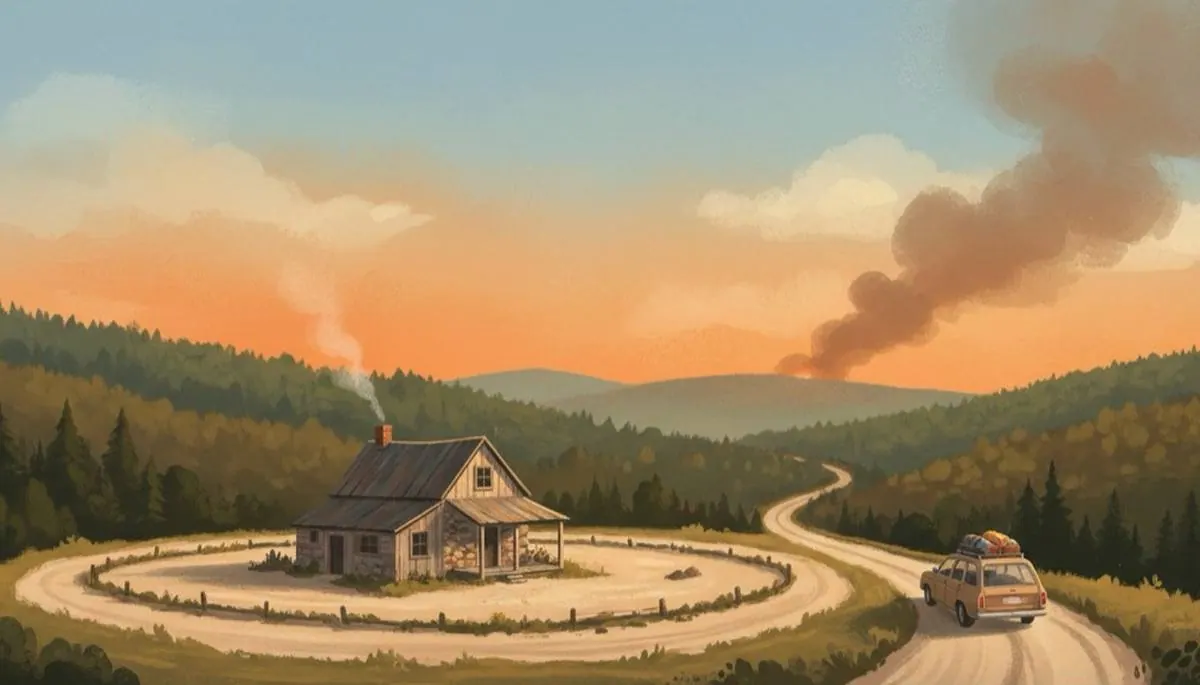
- Prepare a house and its surroundings so embers have nothing to catch
- Decide to leave early and know where official alerts come from
- Know what to do if trapped in a house, a car or in the open
Before: clear the ground around the house
Most houses lost to wildfire are not swallowed by a wall of flame. They are set alight by embers: burning twigs and bark carried hundreds of metres ahead of the fire, landing in gutters, on woodpiles, in dry leaves against a wall or through an open vent. So the work is done long before the fire comes. Keep a cleared fuel-management zone around the house: cut back scrub, space and prune trees so crowns do not touch, and keep grass short. In Portugal the law requires clearing around buildings, typically 50 metres around isolated houses, so check your local rules and deadlines. Clear gutters and roofs of leaves and pine needles, move firewood, gas bottles and anything that burns away from the walls, and cover vents with fine metal mesh.
Leave early, and know your alerts
The safest place in a wildfire is somewhere else. Leaving early, before the fire is close and before roads fill with smoke, saves far more lives than staying to defend a house. Know your national civil protection channels before summer: in Portugal that is ANEPC, which sends SMS alerts to phones in affected areas, and your local council and fire brigade. Elsewhere, find your own country's official alert service now, not on the day. Pack a bag with documents, medicines, water, torch, phone charger and sturdy clothes of cotton or wool, and plan two routes out. On a day of extreme fire risk, or when an evacuation is advised, go. Never try to flee through the fire front, on foot or by car, and never drive into thick smoke you cannot see through.
Trapped in a house or a car
If the fire reaches you and leaving is no longer safe, a solid house is far better than the open. Go inside, close every window, door and vent, and draw back curtains that could catch. Fill sinks, baths and buckets with water, put wet towels along the bottom of doors, and move to a room away from the side facing the fire, away from windows. Wear long cotton or wool clothing. The fire front usually passes in minutes; when it has passed, go out carefully and put out embers around the house. If you are caught in a car, park in the most cleared area you can find, away from trees and scrub. Stay in the car with windows up and vents closed, lie down below window level and cover yourself with a wool blanket until the front has passed.
In the open, and afterwards
On foot in the open, look for ground that cannot burn: an area that has already burnt, bare rock, a wide gravel road, a ploughed field, a river or lake. Never run uphill ahead of a fire. Fire climbs slopes much faster than a person can, because the flames preheat the ground above them. Cover exposed skin with natural fibres, lie face down in a hollow if the front is about to pass, and protect your airway with a cloth. After a fire, the danger is not over. Embers can smoulder for hours and reignite, trees weakened by fire can fall, and burnt ground can hide hot pits of ash. Return home only when the authorities say it is safe, then check the roof space, gutters and woodpiles for smouldering spots.
Check yourself
Embers travel far ahead of the flames and catch wherever dry material collects. Clearing those spots protects the house.
Never flee through the fire front or into smoke you cannot see through. Shelter in a cleared area or a solid building.
Fire runs uphill faster than you can. Already-burnt ground, rock and water have nothing left to burn.
Embers can reignite and damaged trees can fall. Wait for the official all-clear.
Try it for real: Make your house ember-ready
- Find your national civil protection alert channel and make sure your phone receives it
- Clear gutters, roof and the base of the walls of leaves and needles
- Move firewood, gas bottles and anything that burns away from the house
- Pack a leave-early bag and agree two routes out with your household
🛒 Gear for this skill
As an Amazon Associate I earn from qualifying purchases. It costs you nothing extra and keeps this site free.
Next lesson: Carbon Monoxide: The Silent Killer →
Written and checked by the Human Skills team against the sources below. How we check our content
- ANEPC (Autoridade Nacional de Emergência e Proteção Civil)
- European Commission, European Forest Fire Information System
- Australian Country Fire Authority bushfire guidance
Related lessons
Carbon Monoxide: The Silent Killer
Where it comes from, how it feels and how to stop it
Getting Help With No Signal
Calls, satellites, whistles, lights and signs on the ground

Floods and River Crossings
Respect moving water, before, during and after
Talking When the Phone Network Is Down
Radios, walkie-talkies and a family plan