 Human Skills
Rod, Reel and Line
The three parts that do all the work
5 minBeginnerUpdated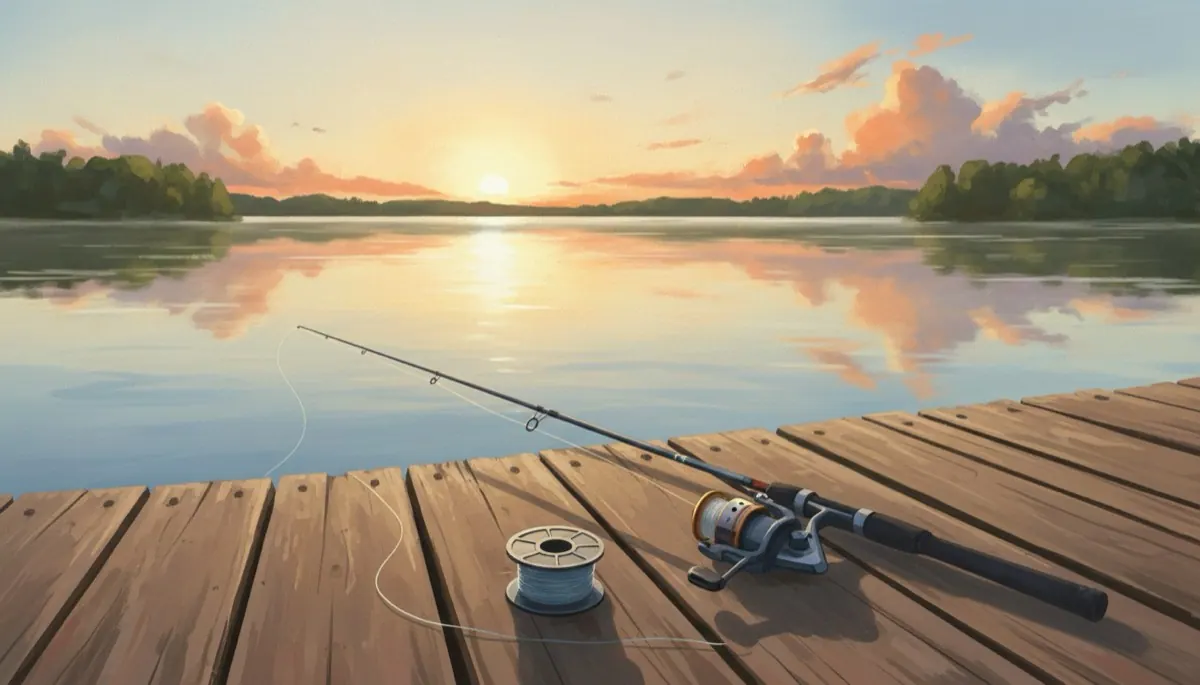
- Pick a beginner rod length and power for your water
- Explain what a spinning reel does and how to spool it
- Choose a line type and strength for your first trips
What a rod actually does
A rod is a spring. It stores energy when you swing it, throws the bait out, and then bends to absorb the pulls of a fish so the line does not snap. Rods are described by length and power. Length is measured in feet or metres: a 1.8 to 2.1 m (6 to 7 ft) rod is the all-round beginner size. Power is how stiff it is: ultralight, light, medium, heavy. Medium-light or medium covers most freshwater and light shore fishing. Longer rods cast further, shorter rods are easier to control. A two-piece rod fits in a car boot and is fine for beginners. Look at the eyes (the guides): they should be lined up straight and free of cracks, because a cracked guide shreds line.
The spinning reel
A spinning reel hangs under the rod and stores the line on a fixed spool. A wire arm called the bail flips open to let line fly out on the cast, and closes to wind it back. The drag is a knob on top of the spool: it lets a strong fish pull line out before the line breaks. Set it so you can pull line off by hand with firm effort, roughly a third of the line's breaking strength. Reels are sized by number: 2000 to 3000 suits a beginner rod and lines up to about 5 kg (10 lb). Rinse the reel in fresh water after any coastal trip. Salt eats bearings within weeks.
Choosing line
Line is sold by breaking strength: 3 kg (6 lb), 4.5 kg (10 lb) and so on. Three types matter. Monofilament (mono) is cheap, stretchy and forgiving, and ties easy knots. Start here. Braided line is thinner for its strength and does not stretch, so you feel every bite, but it is visible in clear water and cuts fingers. Fluorocarbon is nearly invisible underwater and often used as a short leader tied to the end of braid. For a first outfit, spool 4.5 kg (10 lb) mono for lakes and rivers, or 6 to 8 kg (12 to 15 lb) for rocky shore fishing. Replace mono every season, sooner if it looks cloudy or feels rough.
Spooling and filling the reel
Put the line spool flat on the floor, label facing up, so the line comes off the same way it goes onto the reel. Thread it through the rod guides, open the bail, tie it to the reel spool with an arbor knot, close the bail and wind with light tension pinched between two fingers. Stop when the line sits about 2 mm below the lip of the spool. Overfilling causes loops and tangles on the cast; underfilling shortens your cast because line drags over the lip. Trim the tag end. Check the first few metres of line before every trip by running it between your fingers, and cut off anything nicked or frayed.
Everything else you need
Keep the first kit short: a small box of hooks and sinkers, a float or two, a pair of long-nosed pliers for unhooking, nail clippers or line scissors, a small towel, and a bucket or bag for the catch. Add a hat and sunglasses; polarised lenses cut glare so you can see into the water. A tape measure matters for size limits. Sun cream, water and a snack round it out. A landing net is optional in lakes but very useful on rocks. Everything fits in one small backpack. Expensive tackle does not catch more fish than knowledge of the water does.
Check yourself
Drag slips under heavy pull so a big fish tires without snapping the line. Set it to about a third of the line strength before fishing.
Mono is cheap, stretchy and forgiving, and its knots are easy to tie. Braid and fluorocarbon come later.
Slightly under the lip gives long casts without loops jumping off the spool.
Salt corrodes bearings and gears fast. A fresh-water rinse after each coastal trip keeps a reel working for years.
Try it for real: Set up one working outfit
- Choose or borrow a 1.8 to 2.1 m spinning rod and a 2000 to 3000 size reel
- Spool it with 4.5 kg (10 lb) mono, spool label facing up, to 2 mm below the lip
- Set the drag so line pulls off with firm hand pressure
- Pack a small kit: hooks, sinkers, one float, pliers, clippers, tape measure
🛒 Gear for this skill
As an Amazon Associate I earn from qualifying purchases. It costs you nothing extra and keeps this site free.
Next lesson: Hooks, Sinkers, Floats and Your First Rig →
Written and checked by the Human Skills team against the sources below. How we check our content
- Take Me Fishing (Recreational Boating and Fishing Foundation)
- Angling Trust beginner guides
Related lessons
Hooks, Sinkers, Floats and Your First Rig
Small parts, big difference
Passive Lines That Fish Without You
Set lines, hand lines and float lines, and the law that governs them
Traps and Pots
Funnels, escape gaps and the gear you must never lose
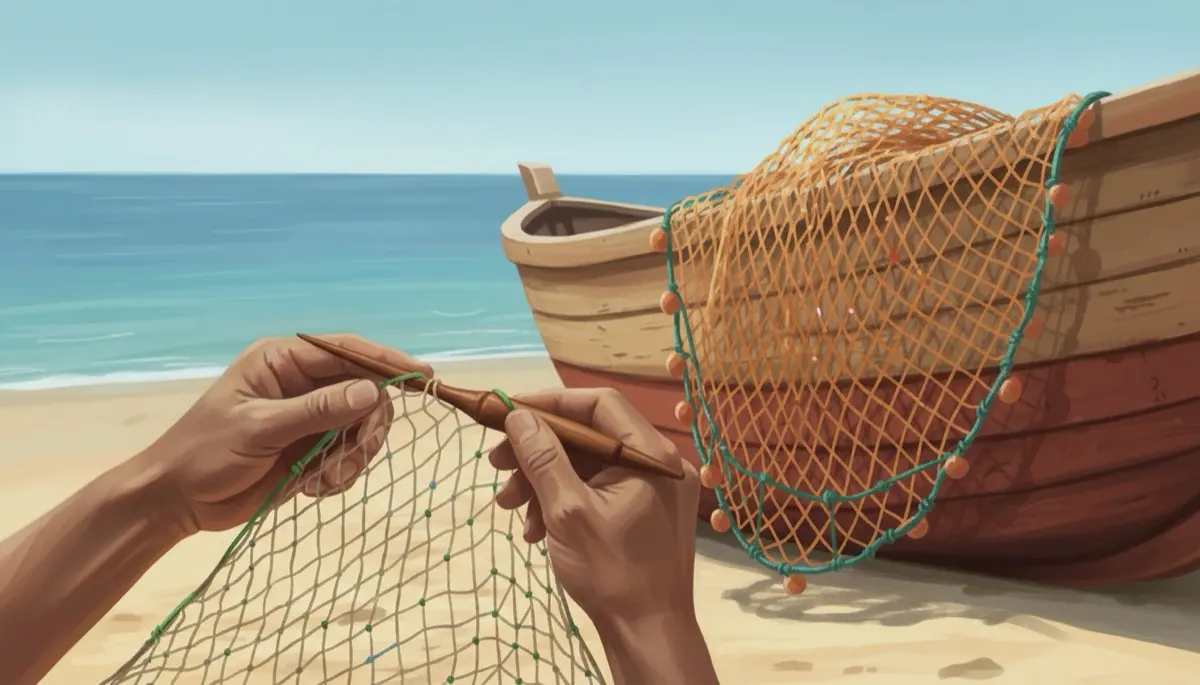
Nets and What They Cost
Cast, gill and seine nets, mesh size and hand repair