 Human Skills
Planting Out and Sunlight
Spacing, timing and the first two weeks
5 minBeginnerUpdated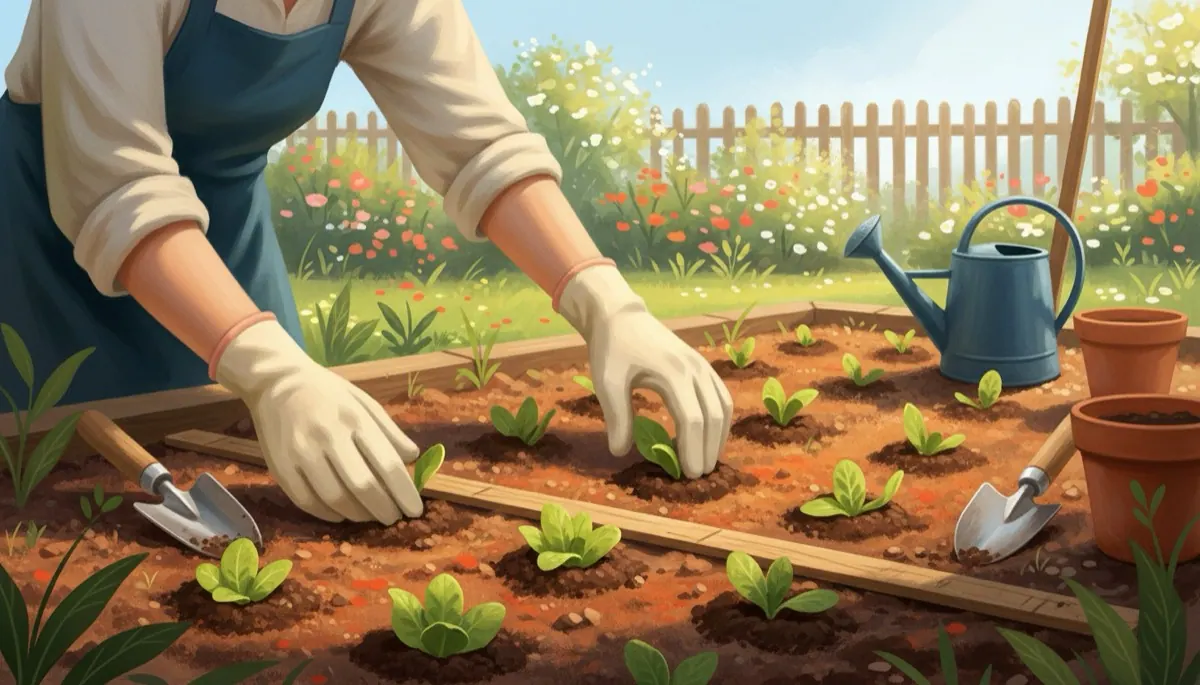
- Match crops to full sun, part shade and shade
- Plant seedlings at the right depth and spacing
- Protect new plants through their first fortnight
Sun mapping
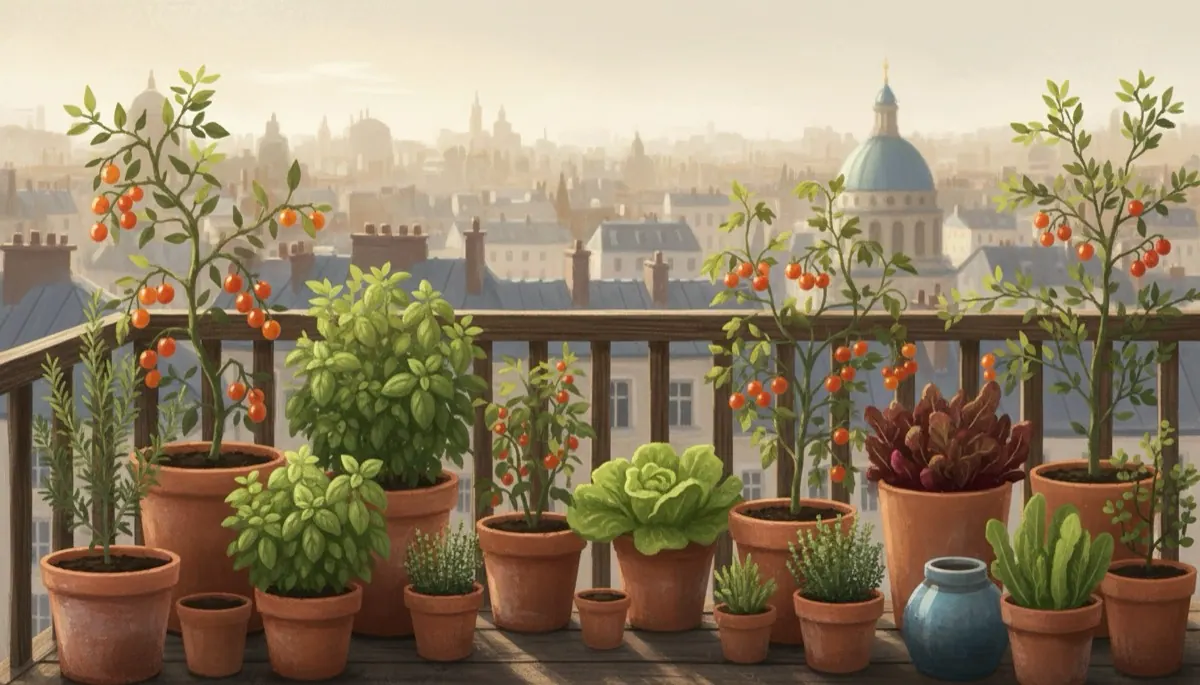
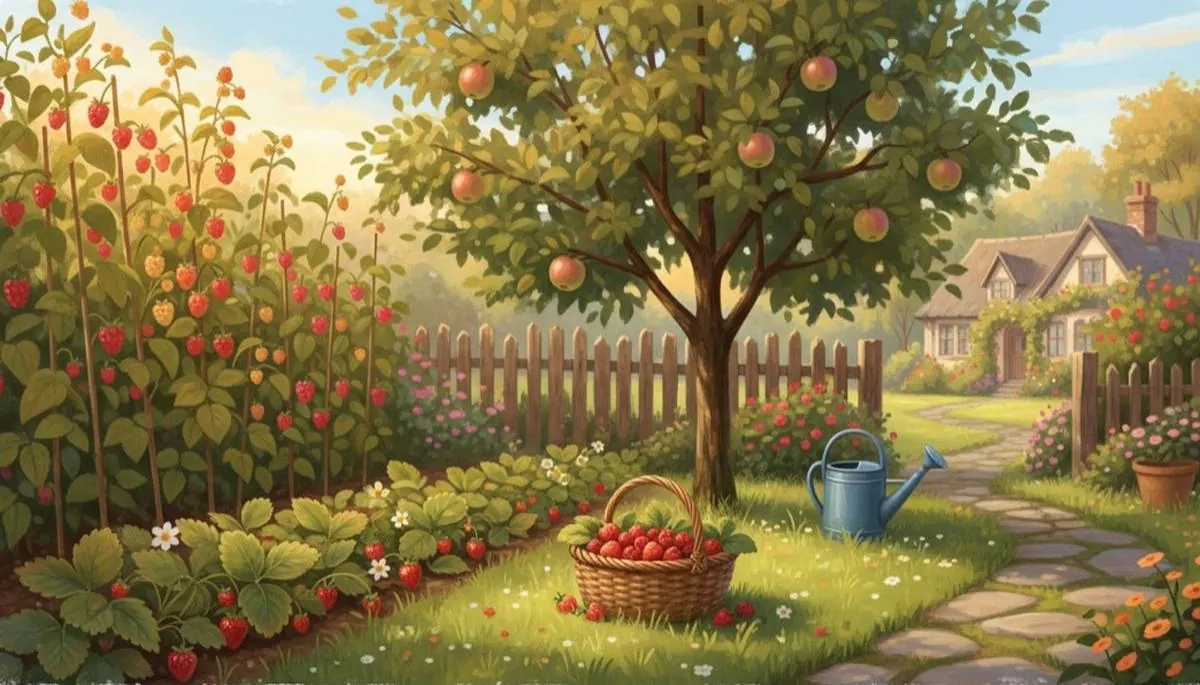
Sunlight is the fuel. Full sun means 6 or more hours of direct light. Part shade is 3 to 6 hours, and shade is under 3. Fruiting crops need full sun: tomatoes, peppers, courgettes, beans, squash and strawberries. Root crops such as carrots, beetroot and potatoes manage with 4 to 6 hours. Leafy crops are the most forgiving: lettuce, spinach, chard, kale, rocket and most herbs like parsley and mint grow well with 3 to 4 hours and actually prefer afternoon shade in hot climates. Map your space by noting where the sun is at 9 am, 1 pm and 5 pm, then put the right crop in the right patch.
When to plant
Two dates matter: the last spring frost and the first autumn frost. Frost-tender crops such as tomatoes, peppers, beans, squash and basil go out only after the last frost, once soil is above 12 degrees C. Push a finger into the soil for 10 seconds. If it feels uncomfortably cold, wait. Hardy crops such as peas, broad beans, onions, lettuce, brassicas and spinach tolerate light frost and can go out 4 to 6 weeks earlier. Plant on a cloudy, still day or in the evening so the seedlings are not blasted by sun before their roots take hold. Water the tray an hour before planting.
Depth and spacing
Most seedlings are planted at the same depth they were in the pot. Tomatoes are the exception: bury them up to the first leaves, because the stem grows extra roots. Leeks are dropped into a 15 cm hole and just watered in. Spacing decides the size of your harvest. Use the packet distance as a minimum. Lettuce 25 cm, bush beans 15 cm, courgettes 90 cm, tomatoes 50 cm, brassicas 45 to 60 cm. Crowded plants compete for light and water and get more disease. Firm the soil gently around each root ball with your fingers so there are no air pockets, then water 200 to 500 ml per plant straight away.
Direct sowing
Sowing straight into the bed suits roots, beans, peas, sweetcorn and quick salads. Rake the surface to a fine, level tilth with no lumps bigger than a pea. Draw a shallow drill with a stick along a string line. Water the drill first, then sow thinly, then cover and firm with the back of the rake. Do not water again until seedlings show unless the surface dries and cracks. When seedlings are 3 to 5 cm tall, thin them to the final spacing by snipping the extras with scissors rather than pulling, which disturbs the neighbours. Thinned carrot and beet leaves are edible.
The first two weeks
New plants are at their weakest for 10 to 14 days. Water every 2 days if there is no rain, at the base, in the morning. Protect from slugs with a ring of wool pellets or a nightly torch patrol. Shade from strong afternoon sun with a piece of shade cloth or an upturned crate for the first 3 days in hot weather. Cover with fleece if a cold night is forecast. Push in canes for anything that will climb or grow tall now, not later, so you do not spear the roots. Once new leaves appear and the plant stands up in the morning without wilting, it has rooted.
Check yourself
Leaves need less light than fruit, and in hot climates lettuce and spinach prefer some afternoon shade.
Tomato stems grow roots along their buried length, so deep planting makes a stronger plant.
Planting when the sun is low or hidden gives roots time to settle before facing heat.
Snipping removes the extra plant without tugging the roots of the ones you keep.
Try it for real: Plant a bed by the sun
- Note the sun on your growing space at 9 am, 1 pm and 5 pm
- Plant sun-loving crops in the brightest spot and leafy crops in the shadiest
- Plant out or direct sow at least three crops at correct spacing
- Water daily for two days and check each morning for wilting or slug damage
🛒 Gear for this skill
As an Amazon Associate I earn from qualifying purchases. It costs you nothing extra and keeps this site free.
Next lesson: Containers, Balconies and Herbs →
Written and checked by the Human Skills team against the sources below. How we check our content
- RHS Vegetable Growing Guides
- FAO Family Farming Knowledge Platform
- Cornell Cooperative Extension