Human Skills
Basic Animal Care Principles
The five freedoms, daily checks and when to call the vet
5 minIntermediateUpdated
- Apply the five freedoms to any animal you keep
- Do a two-minute daily health check
- Know which situations need a vet, a permit or a specialist
The five freedoms
Every animal welfare code in the world is built on the same five needs: freedom from hunger and thirst, freedom from discomfort (shelter, dry bedding, shade), freedom from pain, injury and disease, freedom to behave naturally (scratch, dust-bathe, graze, roam), and freedom from fear and stress. Before you bring any animal home, walk through the five and ask how you will provide each one, every day, including when you are on holiday or ill. If you cannot answer one of them, you are not ready yet, and that is fine. Waiting a season is better than a suffering animal.
The daily two-minute check
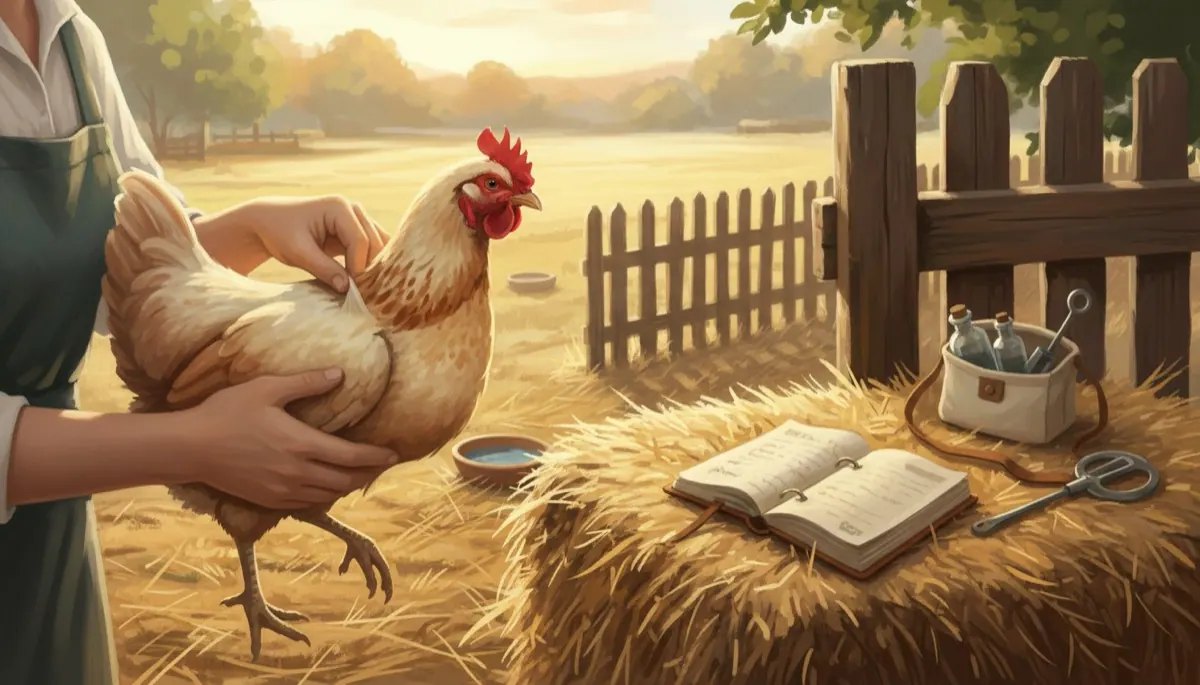
Look at every animal every day, at the same time, ideally while feeding. Healthy animals are alert, eat eagerly, move freely and have bright eyes, clean nostrils and a clean back end. Warning signs: hunched posture, sitting apart from the group, dull or half-closed eyes, discharge, laboured breathing, limping, diarrhoea, not eating, or a sudden drop in eggs or milk. Run your hand over the body of anything tame enough: feel for weight loss along the spine, lumps, wounds or parasites. Keep a small notebook. Written notes catch slow changes your memory smooths over.
Clean, dry and not crowded
Most disease in small holdings comes from three things: wet bedding, overcrowding and dirty water. Muck out weekly and spot-clean daily. Change water every day and scrub containers weekly, because green slime in a drinker is a bacteria farm. Keep stocking density low. Quarantine any new animal for 2 to 3 weeks away from your existing group before mixing; new arrivals bring mites, worms and respiratory bugs. Keep wild birds out of feed, and store feed in sealed metal bins. Boots and hands are the main way disease travels between groups, so keep a boot brush and a tap by the pen.
When you need a vet
Call a vet the same day for: an animal not eating or drinking for 24 hours, bleeding that does not stop with pressure in 10 minutes, obvious fractures, difficulty breathing, bloating, a prolapse, birthing that stalls, or several animals sick at once. Find a vet who treats livestock or poultry before you need one; many small-animal clinics do not. Keep the number by the pen. Some diseases (avian influenza, Newcastle disease, African swine fever) are notifiable: by law you must report suspected cases to the authorities, and a vet will guide you. Never give human medicines or antibiotics without veterinary advice.
Permits, registration and what to leave to specialists
Keeping animals crosses a legal line the moment you go past a few hens. In Portugal and most of the EU, pigs, sheep, goats and cattle must be registered with the animal health authority (DGAV in Portugal), the holding gets a number, and animals need ear tags, movement records and vaccination or testing schedules. Bees usually need registration too. Home slaughter of anything larger than poultry is regulated, and selling meat, milk or eggs beyond a small farm-gate amount needs licensing and inspection. None of this is meant to stop you; it is meant to control disease. Ask the authority first, then buy the animals.
Check yourself
A 2 to 3 week quarantine lets mites, worms and respiratory illness show up before they spread to your flock or herd.
Refusing food for a full day is a serious signal in most livestock. Cud-chewing and the autumn moult are normal.
Damp, crowded, dirty conditions breed pathogens. Dry, clean, uncrowded pens prevent most problems.
Larger livestock must be registered with the animal health authority (DGAV in Portugal) and tagged, mainly for disease control.
Try it for real: Build your animal-readiness plan
- Pick the animal you are considering and write how you will meet each of the five freedoms
- Find and save the number of a local vet who treats that species
- Look up whether that animal needs registration or a permit where you live
- Name the person who will feed them when you are away
🛒 Gear for this skill
As an Amazon Associate I earn from qualifying purchases. It costs you nothing extra and keeps this site free.
Next lesson: Designing a Coop That Works →
Written and checked by the Human Skills team against the sources below. How we check our content
- FAO
- World Organisation for Animal Health (WOAH)
- RSPCA Five Freedoms