 Human Skills
Fire Without a Lighter
Use a ferro rod, flint and steel, a battery or the sun to make fire
7 minIntermediateUpdated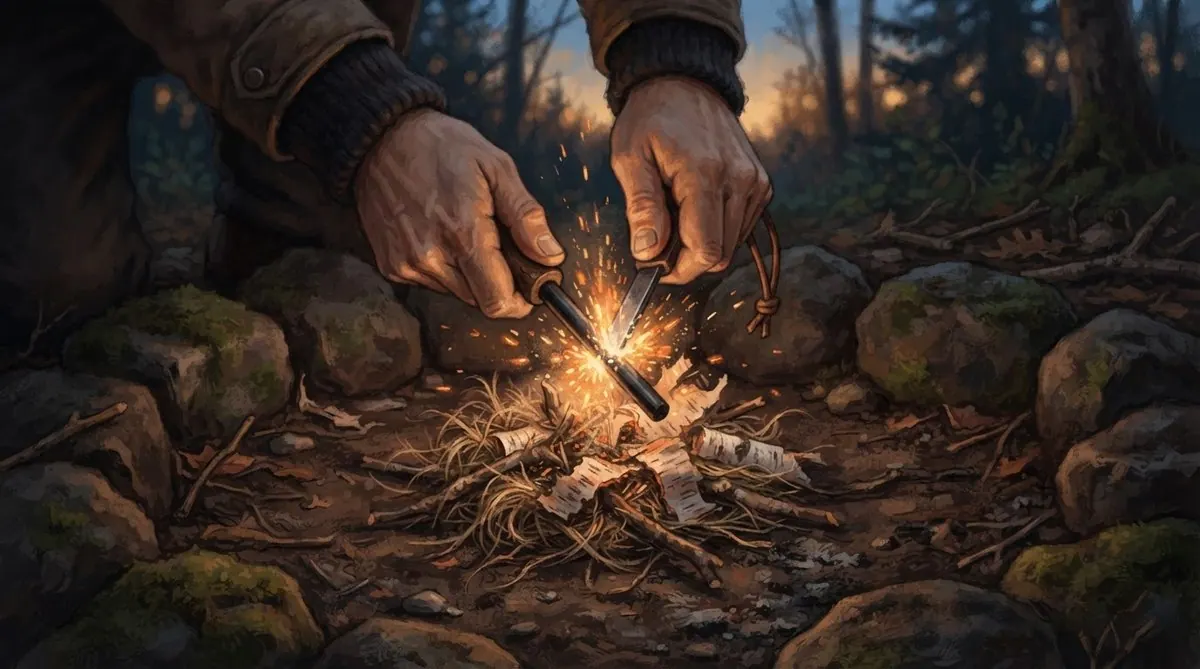
- Strike a ferro rod by pulling the rod back
- Light char cloth with flint and steel
- Explain why you always carry three ways to make fire
Start with the honest answer
The best way to light a fire without a lighter is to carry a lighter anyway, plus a backup. Experienced outdoor people carry three ways to make fire: usually a cheap gas lighter, a ferro rod and some waterproof matches, kept in different pockets. Lighters can fail when they are cold, wet or empty, and matches can get soaked, but it is rare for all three to fail together. The methods in this lesson are your backups and are well worth learning, because they work when your lighter does not. Practise them at home first, never for the first time in an emergency.
The ferro rod
A ferrocerium rod throws a shower of sparks at about 3,000 degrees Celsius, even when wet. The trick most beginners get wrong: hold the striker still and pull the rod back towards you, rather than pushing the striker forwards. Place the tip of the rod right in your tinder, press the back of a knife or the striker firmly against it at a steep angle, and draw the rod back. The sparks land exactly where you aimed and you do not knock your tinder bundle apart. Use fine tinder such as jelly cotton, birch bark shavings or fatwood dust.
Flint, steel and char cloth
Traditional flint and steel works differently. You strike a high-carbon steel striker downwards against the sharp edge of a hard stone such as flint or quartz, and tiny glowing flakes of steel fly off. These sparks are much weaker than a ferro rod's, so you need char cloth or another charred material held on top of the stone, right at the edge. When a spark lands, the char cloth glows. Fold the glowing cloth into the centre of a dry tinder nest and blow gently until it bursts into flame. It takes practice, but it is satisfying and very reliable once learned.
A battery and steel wool
Touching both terminals of a 9 volt battery to fine steel wool, grade 0000, makes the thin strands glow red almost instantly. Place the glowing wool in a tinder nest and blow it to flame. You can also use two AA batteries in series with the wool. Keep batteries and steel wool in separate containers, because contact in your pack can set the wool alight. Use only fine steel wool, as coarse pads do not work. This is a good trick for a car or home emergency kit, but it is not a replacement for a lighter.
Lenses and bottles
On a sunny day, a magnifying glass, the lens from binoculars or reading glasses, or even a clear plastic bottle filled with water can focus sunlight into a tiny bright spot. Hold it steady so the spot is as small as possible on dark tinder or char cloth until it smokes and glows, then blow it to flame in a nest. This only works in strong direct sun and needs patience. It is also the reason you never leave glass bottles or lenses in dry grass: they can start fires on their own in summer.
Practise safely
Practise each method on a patio, a gravel area or in a home fire pit, with a bucket of water beside you and nothing flammable nearby. Wear eye protection when striking flint or a ferro rod. Never practise in dry grass, woodland or anywhere fires are not allowed, and remember that in Portugal and much of southern Europe open fires are banned in the critical period, usually 1 July to 30 September. Sparks travel further than you expect, so clear 3 metres around you and work over a 1 metre circle of bare ground.
Check yourself
Pulling the rod back keeps the striker in place over the tinder and puts the sparks exactly where you aimed.
Flint and steel sparks are weak, so they need char cloth, which glows from the smallest spark.
Fine steel wool can short the battery terminals and catch fire inside your bag.
Lighters, rods and matches rarely all fail at once, which is why experienced people carry all three.
Try it for real: Three ways to fire
- Pack a lighter, a ferro rod and waterproof matches in separate pockets
- On a patio or in a fire pit, light jelly cotton with the ferro rod by pulling the rod back
- Try a battery and fine steel wool over a metal tray
- Only do any of this where and when fires are legal, with water within arm's reach
🛒 Gear for this skill
As an Amazon Associate I earn from qualifying purchases. It costs you nothing extra and keeps this site free.
Next lesson: Friction Fire: The Bow Drill →
Written and checked by the Human Skills team against the sources below. How we check our content
- Leave No Trace Center for Outdoor Ethics
- ICNF Portugal fire regulations
- US Forest Service campfire safety guidance
- Scout Association and Scouts BSA handbooks
Related lessons
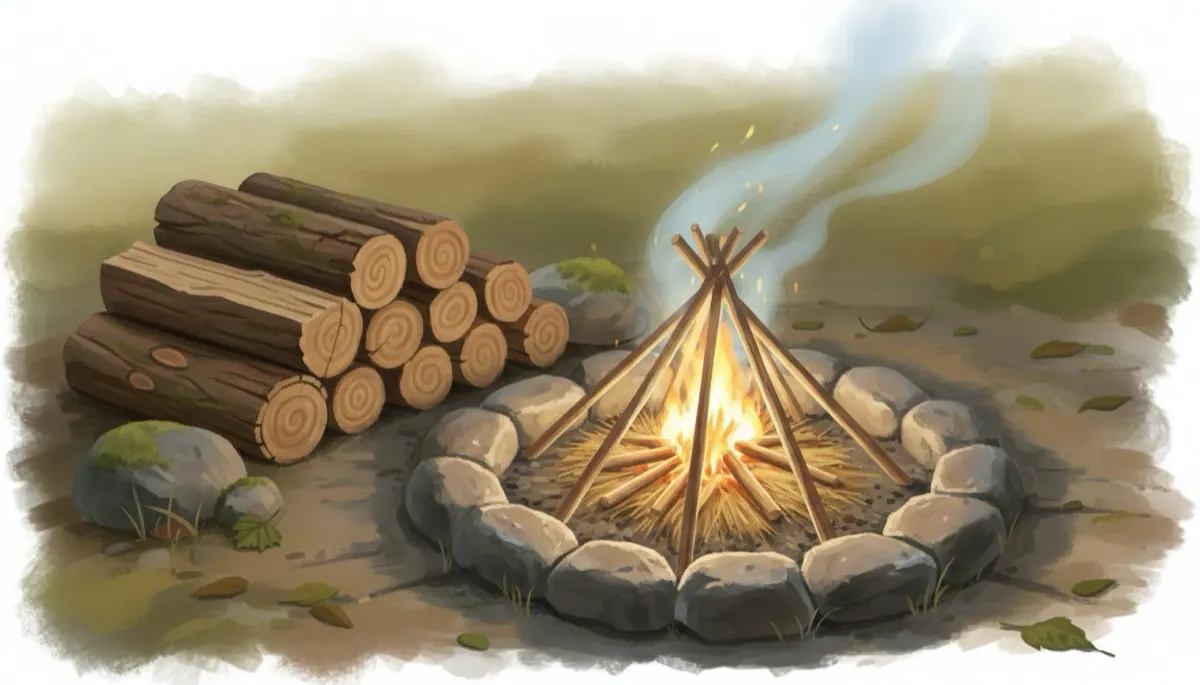
Fire Basics: Tinder, Kindling and Fuel
Build a small, controlled fire that lights first time
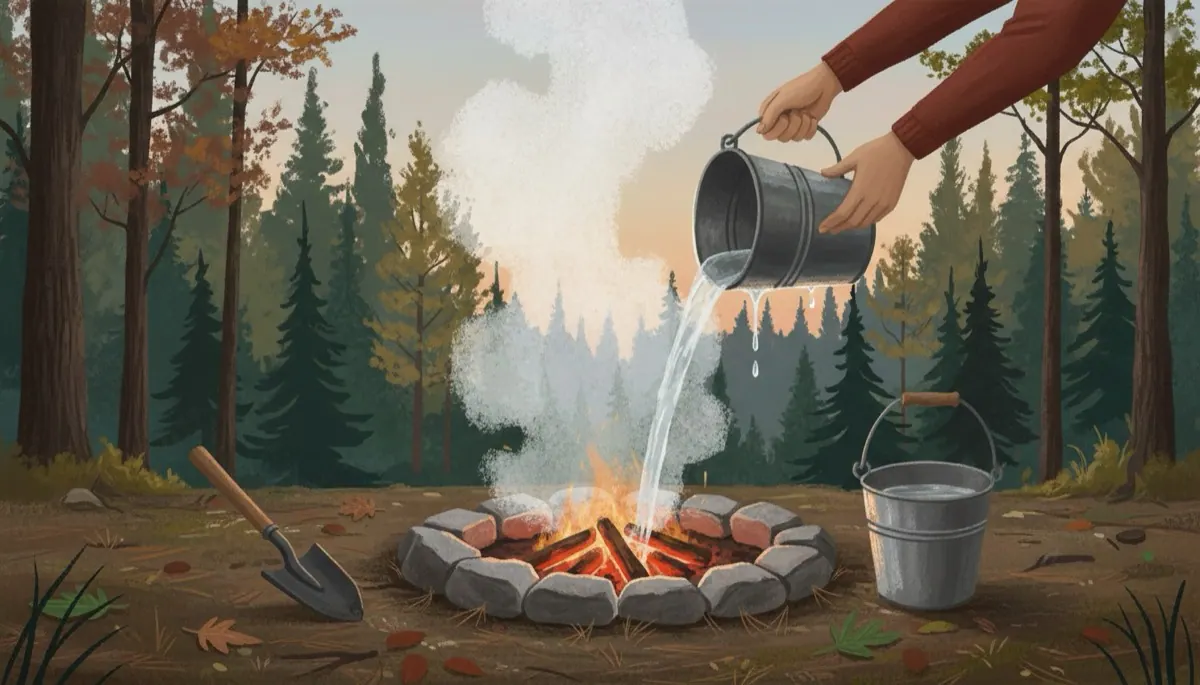
Fire Safety and Putting a Fire Out
Control, extinguish and never leave a hot spot behind
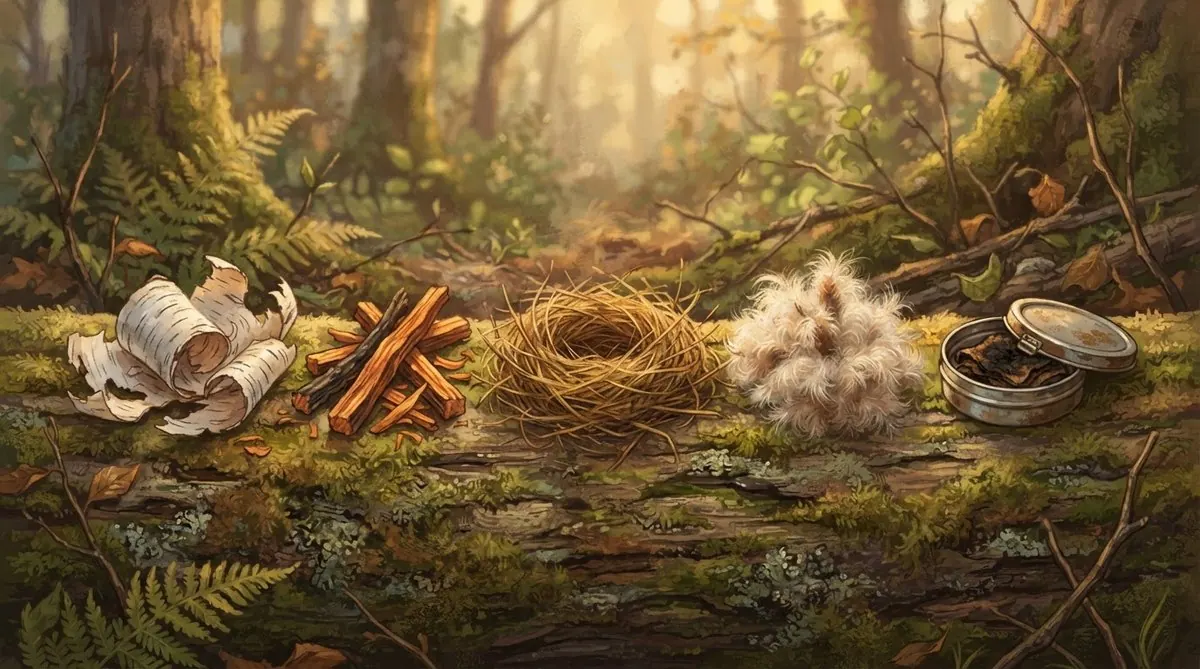
Natural Tinder: What Catches a Spark
Find, test and carry the fine fuel that turns a spark into flame
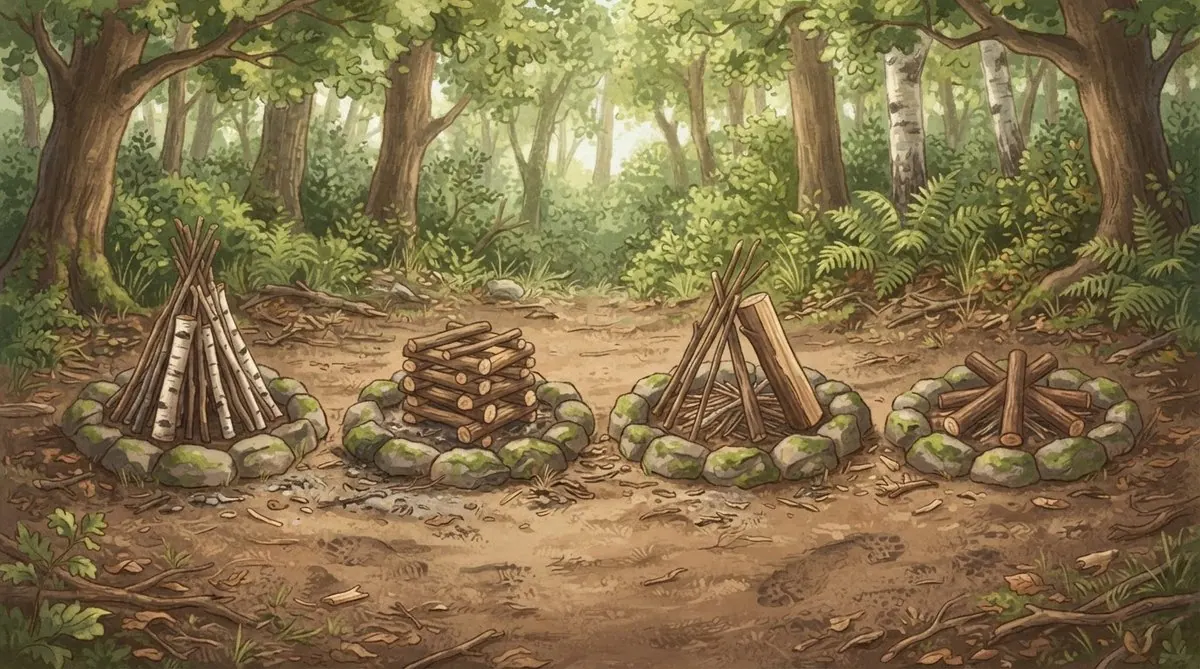
Fire Lays: Teepee, Log Cabin, Lean-to, Star
Choose the right fire structure for lighting, cooking, wind or a long burn