 Human Skills
Natural Tinder: What Catches a Spark
Find, test and carry the fine fuel that turns a spark into flame
6 minBeginnerUpdated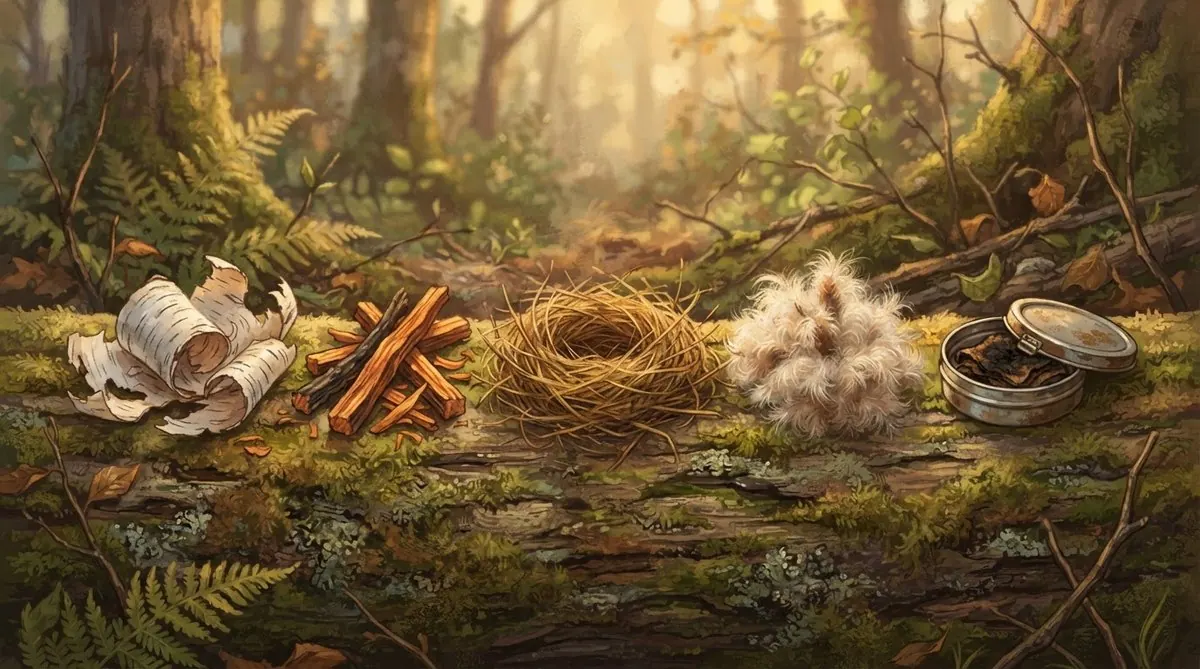
- Name the natural tinders that catch a spark reliably
- Test tinder with the snap and crunch tests
- Build a tinder bundle and keep it dry
Why tinder decides everything
Tinder is the first fuel your spark or flame touches, and it is where most fires are won or lost. A spark from a ferro rod lasts a fraction of a second and a match burns for only a few seconds, so the first material has to be fine, dry and full of air. Fine means thinner than a matchstick, ideally hair-thin fibres. Dry means it crunches or snaps, never bends. Airy means it is fluffed up so oxygen reaches every strand. Get these three right and almost any heat source will work. Get one wrong and even a good lighter will just blacken the edges.
Bark, resin and wood tinders
Birch bark is the classic: its papery outer layer is full of oil and lights even when slightly damp. Peel only loose curls from dead or fallen trees, never strip a living one. Fatwood is the resin-soaked heartwood left in old pine stumps; it smells of turpentine and scrapings of it burn hot for a long time. The fibrous inner bark of dead cedar, juniper or lime trees can be rubbed between your palms into a fluffy mat. Dead pine needles from low sheltered branches, not the damp ground, flare quickly once a flame exists.
Grasses, seed heads and down
Dry dead grass, bracken and the fluffy seed heads of cattail (bulrush), thistle and clematis catch sparks well because they are so fine. Cattail and thistle down flare almost instantly, which is useful for catching a spark but means the flame is gone in a second, so mix them into a bundle of coarser grass. Collect seed heads in late summer and autumn when they are fully dry. Never pull up whole plants, take only what you need. In wet weather, look under bushes, rock overhangs and fallen trees where grass stays sheltered from rain.
Prepared tinders you carry
Some of the best tinder is made at home. Cotton wool balls rubbed with petroleum jelly catch a ferro rod spark and burn for two to three minutes; pull one open before striking. Char cloth is cotton fabric cooked in a sealed tin with a small hole until it turns black; it catches the weakest spark and glows instead of flaming, so you place it inside a tinder nest. Commercial tinder tabs work too. Store all of it in a small waterproof tin or zip bag. Prepared tinder is not cheating, it is the reason experienced people light fires first time.
Snap, crunch and the bird's nest
Test everything before you use it. Twigs should snap cleanly with a crack; if they bend, they are too wet. Grass and bark should crunch and crackle in your hand, not feel cool or limp. Then build a tinder bundle, often called a bird's nest: a loose ball of coarse dry grass or shredded bark about the size of your two fists, with a pocket of finer material such as seed down or bark dust in the centre. The fine centre catches the spark or ember, and the coarser outside feeds the growing flame. Keep it loose enough to breathe but dense enough to hold heat.
Gather more and keep it dry
Collect about twice as much tinder as you think you need, because the first attempt often fails. Gather it as you walk during the day while conditions are good, and keep it in an inside pocket or a bag close to your body where your warmth keeps it dry. Never leave tinder on the ground, which is always damp. Before you even think about striking, check local rules: in Portugal open fires are banned in the critical period, usually 1 July to 30 September, and gathering practice can happen any time even when lighting cannot.
Check yourself
Tinder must be finer than a matchstick, completely dry and fluffed so air reaches every fibre.
Stripping a living tree can kill it. Dead and fallen birch has plenty of loose bark.
Dry wood snaps cleanly. A bend means moisture, and damp fuel smothers a young flame.
The fine centre catches the weak first heat; the coarser outside then feeds the growing flame.
Try it for real: Build a tinder kit
- Collect three different natural tinders on a dry day and test each with the snap or crunch test
- Make a fist-sized bird's nest with a fine centre
- Prepare ten petroleum jelly cotton balls in a waterproof tin
- Only try lighting any of it where and when fires are legal, with water beside you
🛒 Gear for this skill
As an Amazon Associate I earn from qualifying purchases. It costs you nothing extra and keeps this site free.
Next lesson: Fire Lays: Teepee, Log Cabin, Lean-to, Star →
Written and checked by the Human Skills team against the sources below. How we check our content
- Leave No Trace Center for Outdoor Ethics
- ICNF Portugal fire regulations
- US Forest Service campfire safety guidance
- Scout Association and Scouts BSA handbooks
Related lessons
Fire Basics: Tinder, Kindling and Fuel
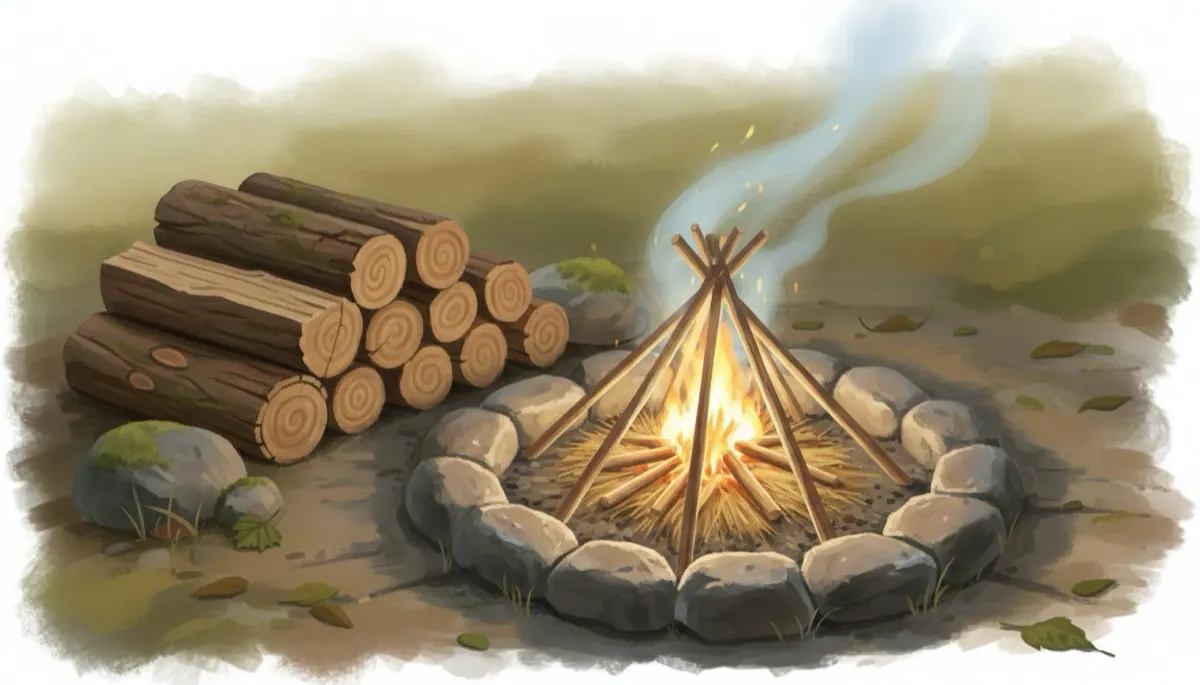
Build a small, controlled fire that lights first time
Fire Safety and Putting a Fire Out
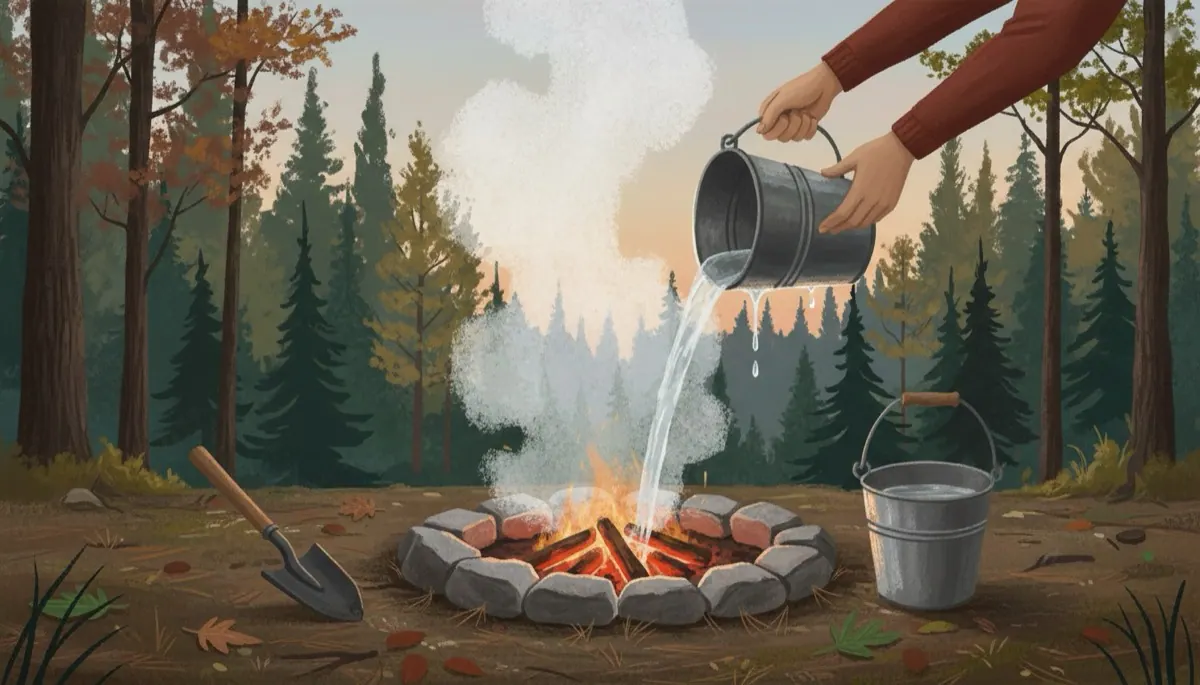
Control, extinguish and never leave a hot spot behind
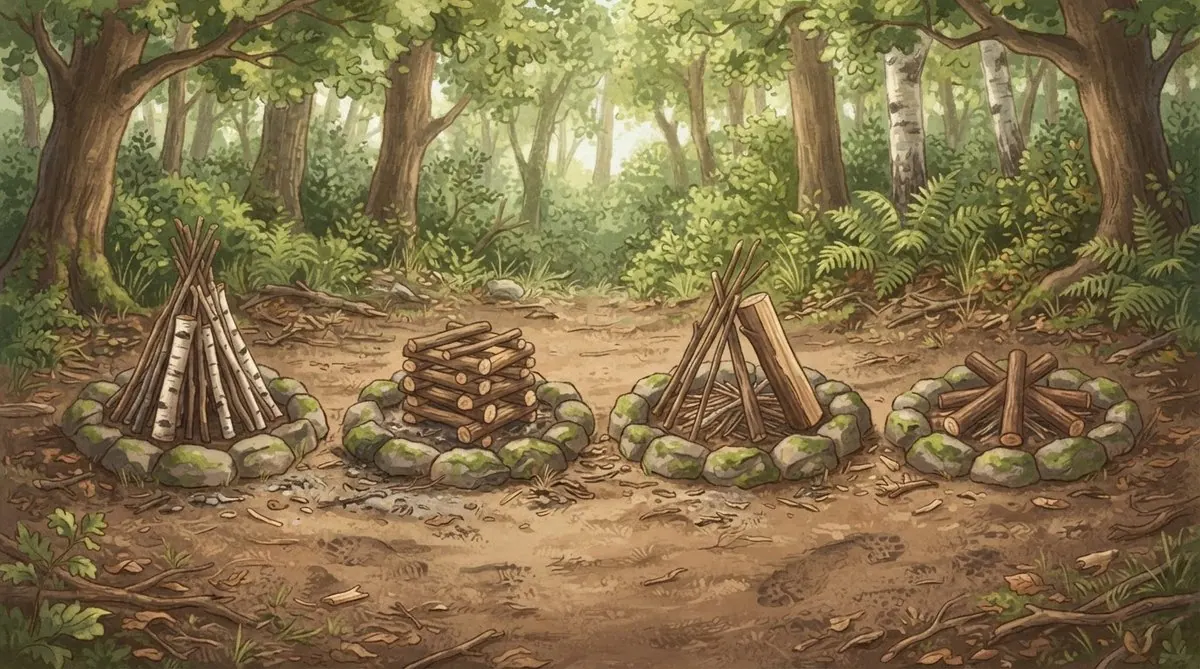
Fire Lays: Teepee, Log Cabin, Lean-to, Star
Choose the right fire structure for lighting, cooking, wind or a long burn
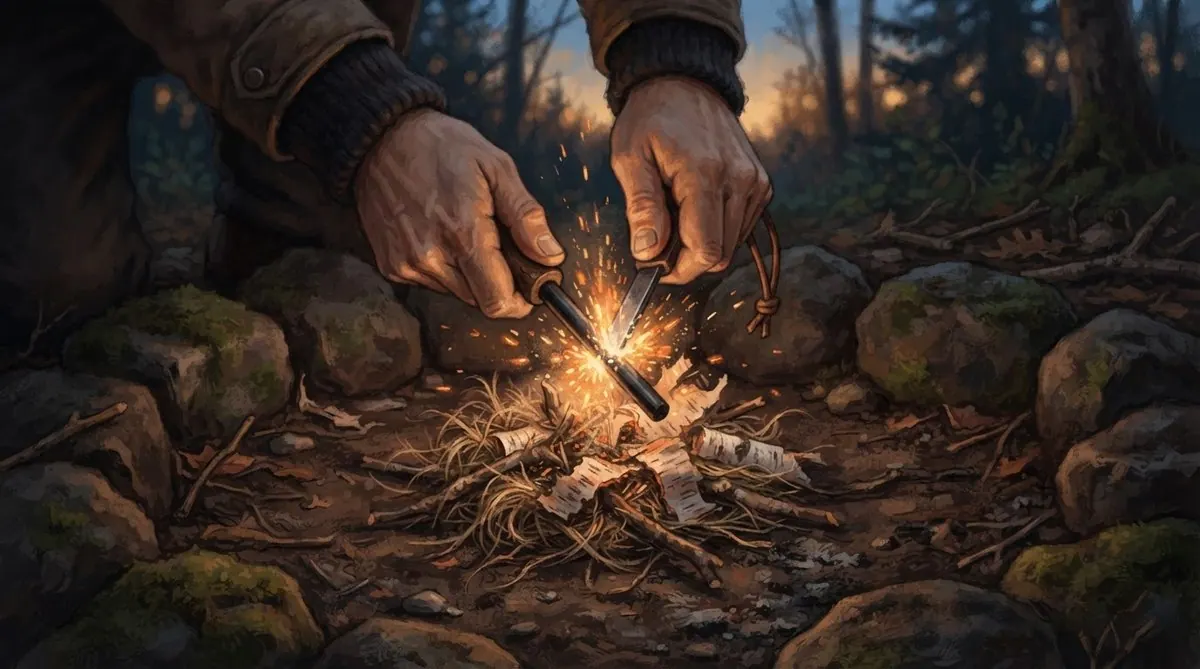
Fire Without a Lighter
Use a ferro rod, flint and steel, a battery or the sun to make fire