 Human Skills
Preparing a Bed for Planting
From weedy ground to ready soil in one weekend
5 minBeginnerUpdated
- Choose a bed spot with enough sun and drainage
- Clear weeds without digging the soil to death
- Build a no-dig bed with cardboard and compost
Pick the spot
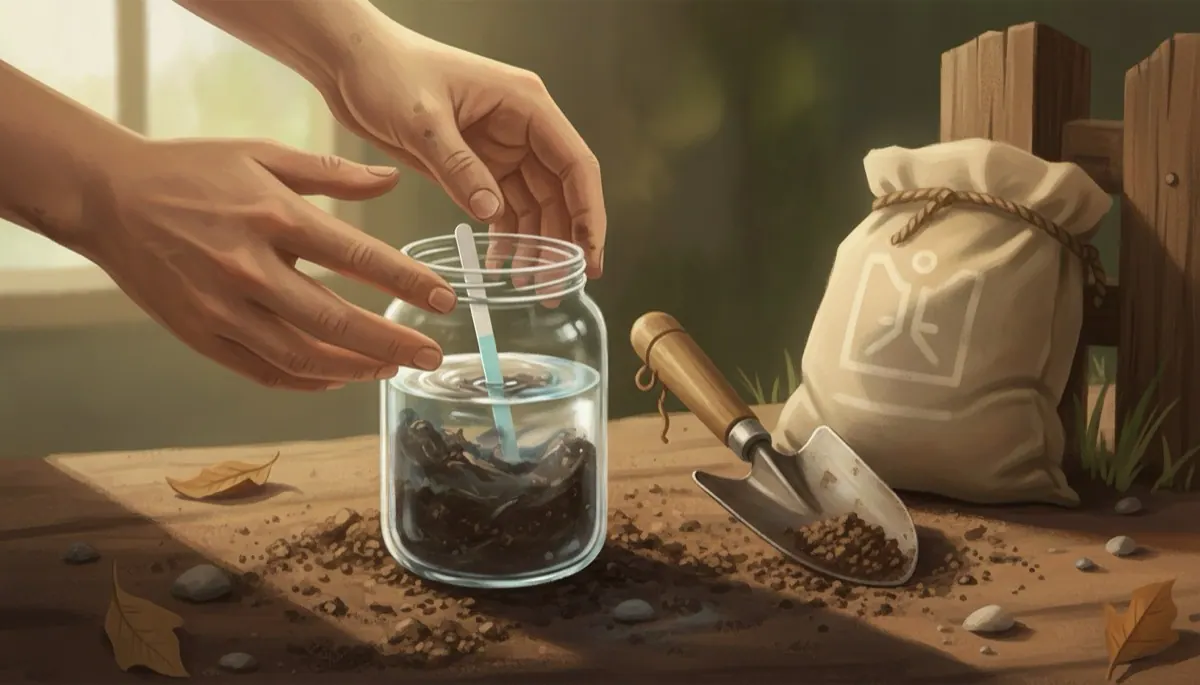
Vegetables need at least 6 hours of direct sun a day, and fruiting crops such as tomatoes and peppers want 8. Watch a candidate spot at 9 am, noon and 4 pm on one day to see where shadows fall. Avoid the bottom of a slope where cold air and water collect, and stay a metre away from walls and hedges that steal water. Check drainage by digging a hole 30 cm deep, filling it with water and timing how long it takes to empty. Under 4 hours is fine. Over 12 hours means you need a raised bed. A bed 1.2 m wide lets you reach the middle from both sides without stepping on the soil.
Clear the weeds
Cut existing growth as low as possible with shears or a strimmer. Pull out anything with a deep taproot such as dock or bramble, using a fork to loosen it first. Do not rotavate perennial weeds like couch grass or bindweed: every chopped root piece becomes a new plant. For a big weedy area, cover it with cardboard or black plastic for 6 to 8 weeks, longer in cool weather. The weeds die from lack of light and the worms come up to eat the dead material. This is slower than digging but produces a cleaner, better-structured bed.
Dig or no-dig
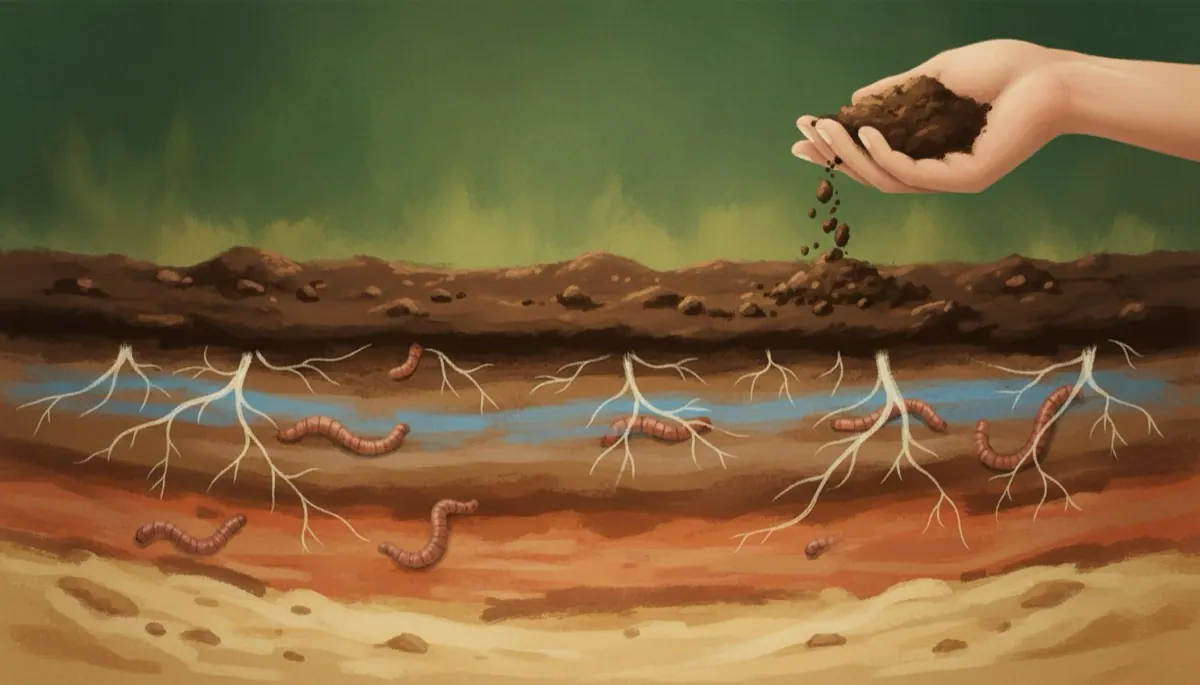
Traditional digging turns the soil a spade deep and buries weeds and compost. It works, but it breaks fungal networks and brings buried weed seeds to the surface. No-dig is now the recommended method for most home gardens. Lay flattened plain cardboard, tape removed, over the cleared ground with edges overlapping by 15 cm. Water it well. Spread 10 to 15 cm of compost on top. Plant straight into the compost. The cardboard rots within months while worms pull the compost down into the soil below. The only time to dig is to break up a compacted layer, which you do once with a fork, not every year.
Feed the bed
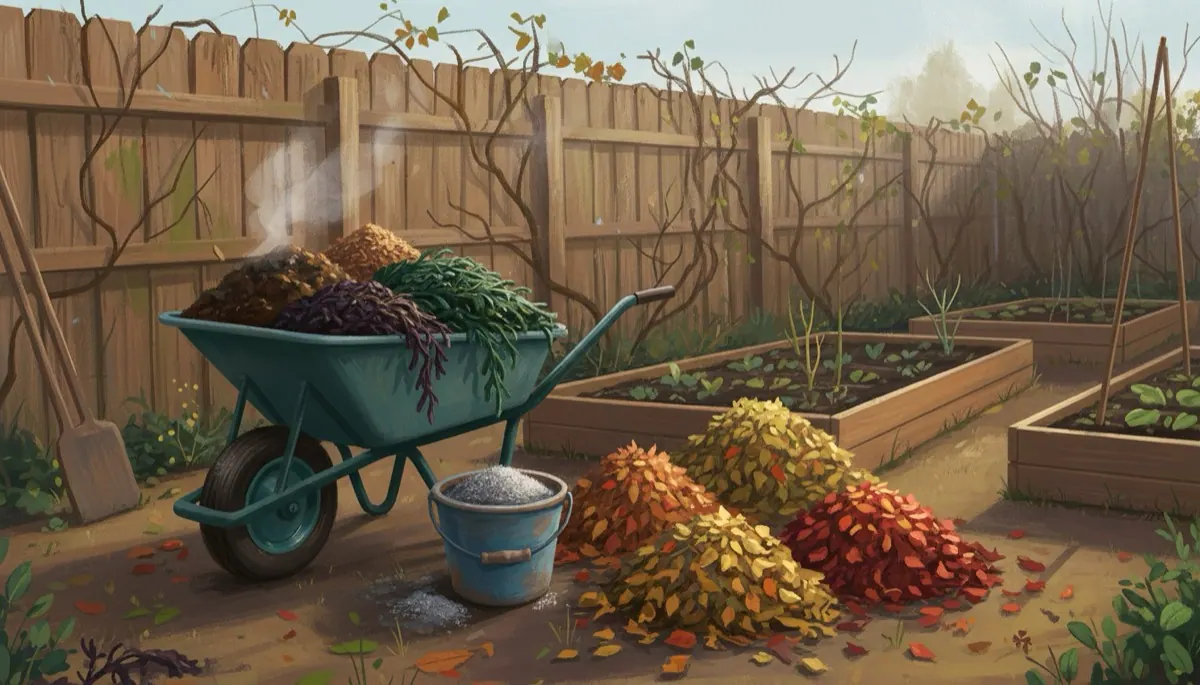
Compost is food and structure in one. Aim for 5 cm a year on an established bed, spread in autumn or early spring. Well-rotted manure from horses, cows or chickens is good too, but it must be at least 6 months old or it will burn roots and bring weed seeds. Fresh chicken manure is especially strong. Avoid peat-based products: they are poor at feeding soil and destroy wetlands. If the bed is sandy, add extra compost. If it is clay, add compost plus a little horticultural grit to open it up. Do not add sand to clay. It makes concrete.
Edges and paths
A bed with clear edges is easier to keep weeded. Untreated timber boards, bricks, stones or even a simple trench edge all work. Make paths at least 45 cm wide so you can walk with a full bucket. Cover paths with 5 cm of wood chip over cardboard to stop mud and weeds. Never walk on the bed itself: compacted soil has no air pockets and roots struggle. If you must reach the middle, lay a plank across and stand on that. Finish by raking the surface level and watering it in. Wait a day before sowing so the compost settles.
Check yourself
Six hours is the minimum for leafy crops. Fruiting crops such as tomatoes do better with 8.
Perennial weeds spread from root fragments, so chopping them up multiplies the problem.
10 to 15 cm gives seedlings enough depth while the cardboard below kills weeds and rots.
Sand and clay combine into a dense, hard material. Organic matter is what opens clay up.
Try it for real: Build one no-dig bed
- Choose a sunny spot and check drainage with a 30 cm hole filled with water
- Cut and clear the weeds and pull any deep taproots with a fork
- Lay overlapping cardboard and water it thoroughly
- Spread 10 to 15 cm of compost and rake it level
- Edge the bed and cover the path with wood chip
🛒 Gear for this skill
As an Amazon Associate I earn from qualifying purchases. It costs you nothing extra and keeps this site free.
Next lesson: Composting Without the Smell →
Written and checked by the Human Skills team against the sources below. How we check our content
- RHS No-Dig Gardening Guide
- FAO Conservation Agriculture
- Charles Dowding, No Dig Gardening