 Human Skills
What Soil Is Made Of
Sand, silt, clay and the life in between
4 minBeginnerUpdated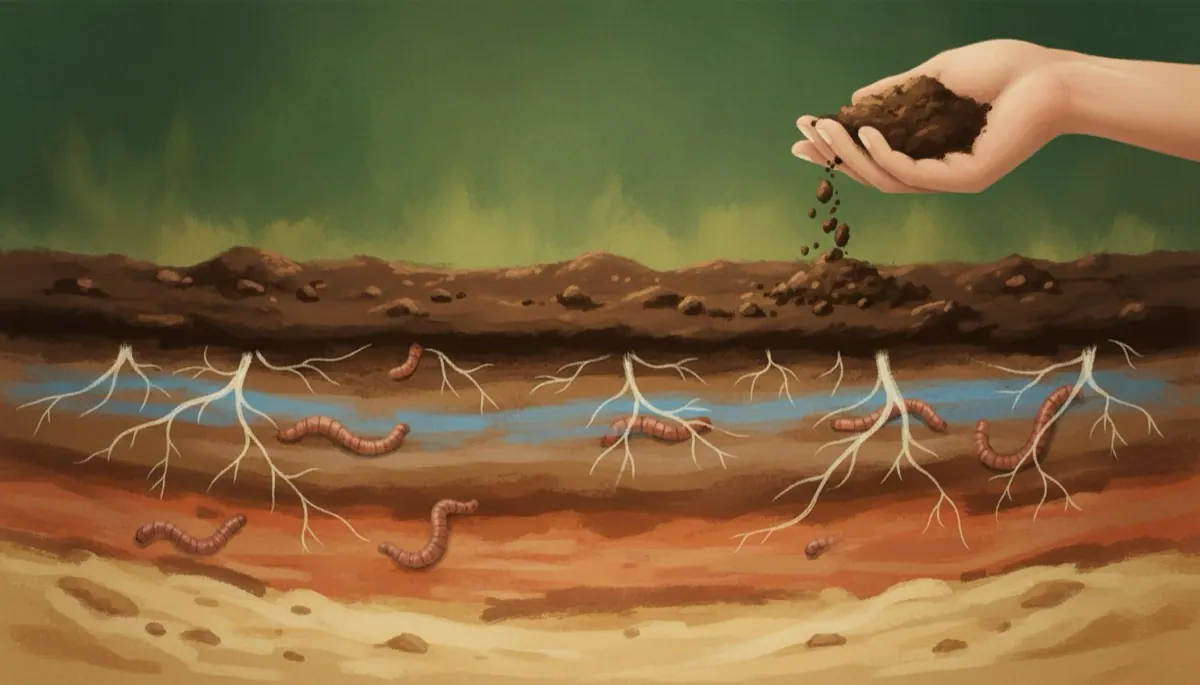
- Tell sand, silt and clay apart by touch
- Explain why organic matter matters more than soil type
- Do a jar test and a squeeze test in your own garden
Three mineral parts
Every soil is a mix of three mineral particles. Sand is the largest, about 0.05 to 2 mm, and feels gritty. Silt is finer, like flour, and feels smooth or silky when wet. Clay particles are tiny, under 0.002 mm, and feel sticky. The mix of these three decides how fast water drains, how much the soil holds, and how easy it is to dig. Sandy soil drains fast and dries out quickly. Clay soil holds water and nutrients but goes rock hard in summer and sticky in winter. The ideal garden soil, called loam, is roughly 40 percent sand, 40 percent silt and 20 percent clay. Most gardens are not loam, and that is fine. You work with what you have.
The squeeze test
Take a handful of moist soil, not soaking, and squeeze it into a ball. Open your hand. If it falls apart at once, you have sandy soil. If it holds a ball but crumbles when you poke it, you have loam or a sandy loam, which is great news. If it holds a firm ball and you can press it into a ribbon between thumb and finger, you have clay. A ribbon longer than 5 cm means heavy clay. This test takes 30 seconds and tells you more than most soil kits. Do it in three or four spots, because soil changes across even a small plot.
The jar test
Fill a straight-sided glass jar one third with soil from 15 cm down, then top up with water and a teaspoon of dish soap. Shake hard for two minutes and set it down. Sand settles in about one minute. Silt settles over the next two hours. Clay stays cloudy and can take two days to settle fully. Once clear, measure each layer with a ruler. The proportions tell you your soil texture. Anything floating on top is organic matter. A thick floating layer is a sign of healthy soil. A thin one means your first job is adding compost.
Organic matter and soil life
The mineral part is only the skeleton. What makes soil grow food is organic matter: decomposed leaves, roots, manure and compost, plus the living things that eat it. One teaspoon of healthy soil holds more bacteria than there are people on Earth, along with fungi, earthworms and insects. They glue particles into crumbs, open channels for air and water, and release nutrients plants can absorb. Sandy soil with 5 percent organic matter holds far more water than sandy soil with 1 percent. Clay with plenty of organic matter drains and digs much better. Whatever your texture, adding organic matter is the fix.
Soil pH in plain terms
pH measures how acid or alkaline soil is, on a scale from 0 to 14. Most vegetables grow best between 6.0 and 7.0, slightly acid to neutral. Blueberries want 4.5 to 5.5. Brassicas such as cabbage prefer closer to 7. Outside the right range, nutrients are locked up even if they are present. A cheap probe or test strip from a garden shop gives a rough reading. To raise pH, add garden lime in autumn. To lower it, add sulfur or plenty of pine needle compost. Change pH slowly, over seasons, never in one dose.
Check yourself
Clay particles are tiny and hold water on their surfaces, which makes wet clay feel sticky and lets it form a ribbon.
Loam holds together enough to ball but crumbles easily, which is the balance gardeners want.
Sand is the heaviest and largest particle, so it drops to the bottom within about a minute.
Between 6.0 and 7.0 the widest range of nutrients is available to plant roots.
Try it for real: Test your soil three ways
- Do the squeeze test in three different spots of your garden or a nearby patch of ground
- Run a jar test with soil from 15 cm deep and wait two days
- Measure the sand, silt and clay layers and write down your rough percentages
- Count the earthworms in one spade of soil
🛒 Gear for this skill
As an Amazon Associate I earn from qualifying purchases. It costs you nothing extra and keeps this site free.
Next lesson: Preparing a Bed for Planting →
Written and checked by the Human Skills team against the sources below. How we check our content
- FAO Soils Portal
- RHS Soil Types Guide
- USDA Natural Resources Conservation Service
Related lessons
Preparing a Bed for Planting
From weedy ground to ready soil in one weekend
Composting Without the Smell
Turn kitchen and garden waste into free soil food
Soil pH You Can Actually Measure
Testing it cheaply and shifting it slowly
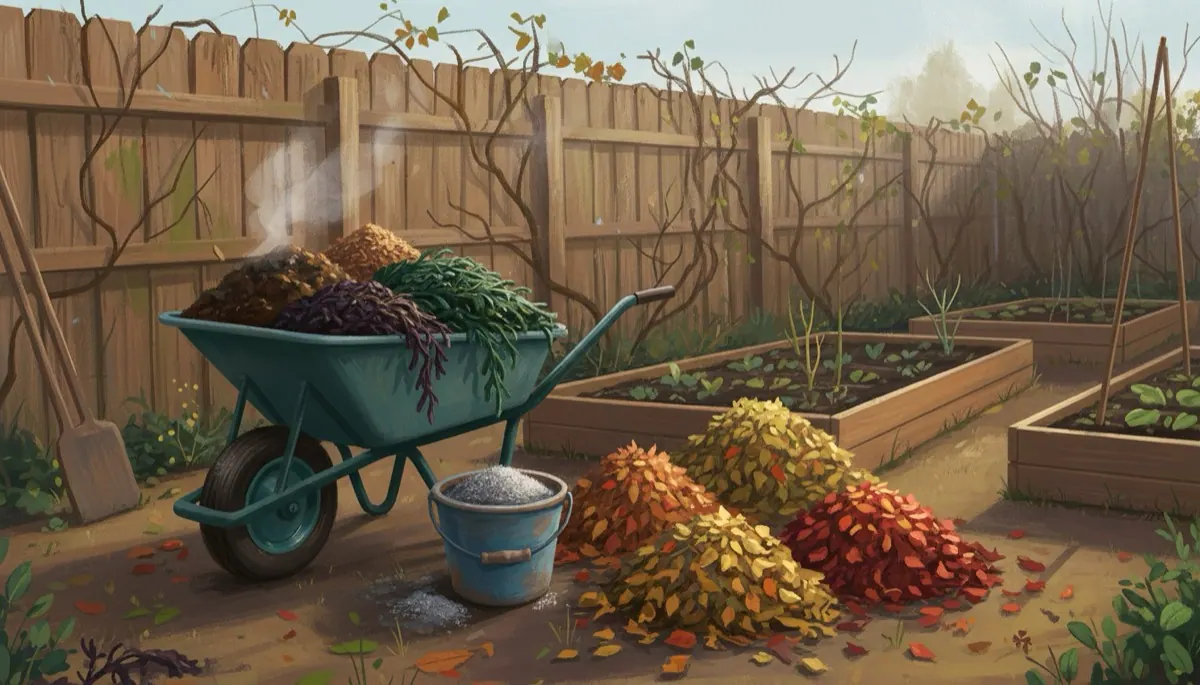
Fertility Without Buying Anything
Leaves, wood, manure, ash, urine and seaweed